The difference between a six-figure Patek Philippe that holds demand and one that sits on the market is rarely the logo alone. Reference, metal, dial, condition, originality, and the completeness of the set all matter. This Patek Philippe investment guide is built for collectors who want more than a beautiful watch on the wrist – they want to buy with a clear exit strategy.
Patek Philippe occupies a rare position in modern collecting. Its strongest references combine generational design, restrained production, serious mechanical credibility, and a buyer base that extends far beyond first-time luxury shoppers. That does not make every Patek an automatic winner. The right purchase is usually specific, disciplined, and made at a price that leaves room for the market to move.
Why Patek Philippe Commands Collector Demand
Patek Philippe is not driven by one single aesthetic. A steel sports watch, a perpetual calendar, and a precious-metal Calatrava appeal to different collectors for different reasons. What connects them is the house’s reputation for finishing, complications, long-term serviceability, and continuity of ownership.
For investment-minded buyers, that continuity matters. A Patek is often purchased by someone who understands the reference, knows the production context, and cares whether the dial, hands, bracelet, and papers are correct. This creates a market where knowledge has real value. It also means a watch can trade at a substantial discount if its details do not withstand close inspection.
The brand’s most visible market strength has historically come from scarce stainless-steel sport references, especially Nautilus and Aquanaut models. Yet demand is broader than the headline pieces. Grand Complications, rare World Time configurations, vintage Calatravas, and special-dial annual calendars can be compelling acquisitions when rarity and condition align.
The References That Deserve the Closest Look
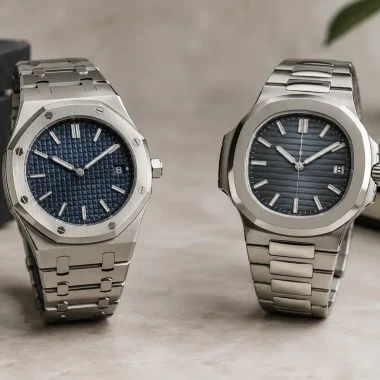
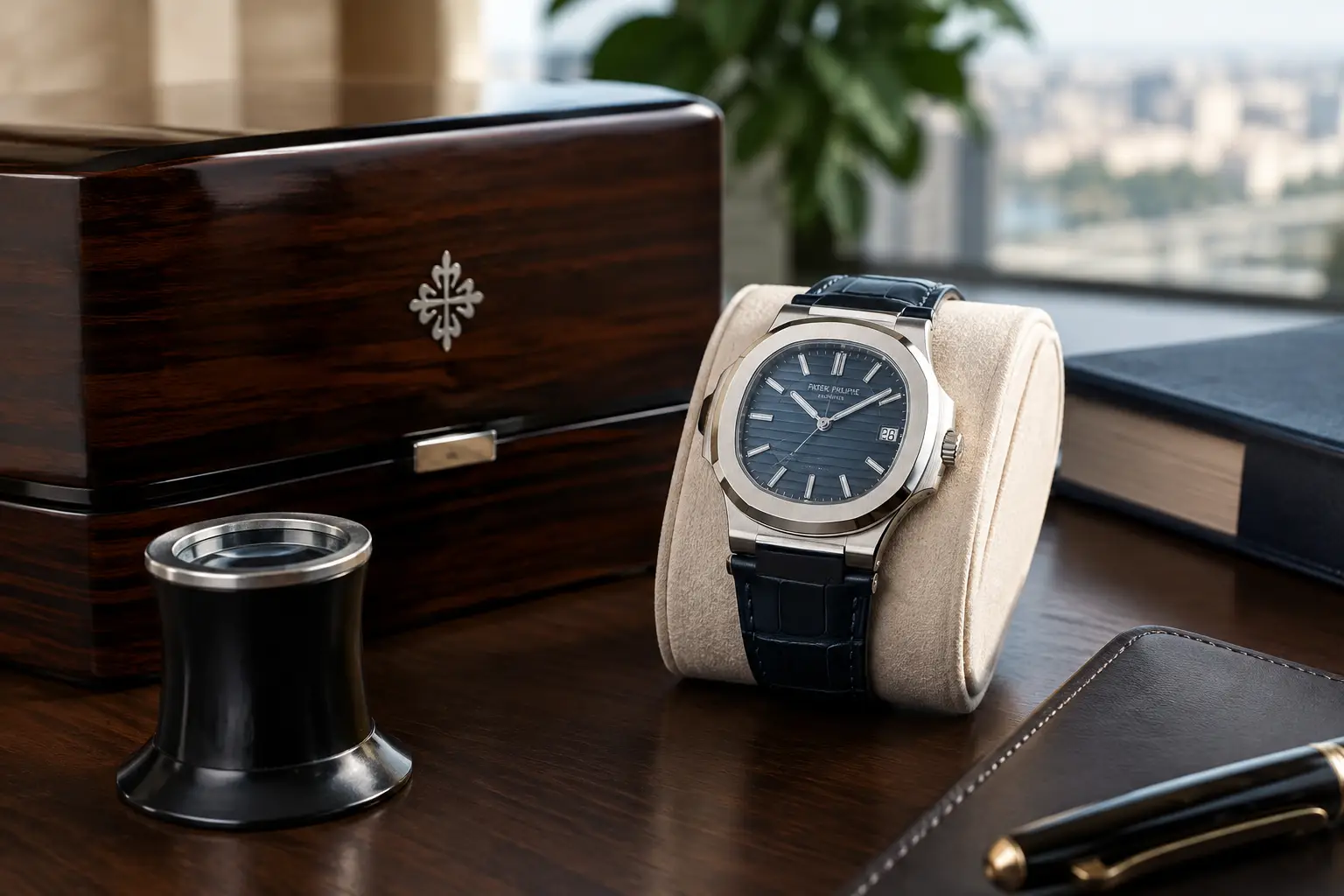
The Nautilus remains the obvious starting point. References such as the 5711, 5712, 5980, 5990, and 5811 have established global recognition, with different levels of complication and wearability. The 5711’s discontinued status gave it exceptional attention, but buyers should avoid treating any elevated market price as guaranteed future upside. Its desirability is real; its entry price still matters.
The Aquanaut is more youthful, more casual, and increasingly important to modern collectors. The 5167 is a clean entry into the family, while the chronograph 5968 and travel-time 5164 offer greater complication appeal. Certain configurations, particularly hard-to-source precious-metal or limited-production examples, can command strong demand. Still, the Aquanaut market can be more sensitive to trend cycles than classic Patek dress references.
For collectors who prefer substance over hype, complications deserve serious attention. Perpetual calendars, split-seconds chronographs, minute repeaters, and World Time models represent the technical side of the manufacture at its highest level. A reference such as a perpetual calendar chronograph may have a smaller buyer pool than a steel sports watch, but it can offer a more compelling rarity story and less dependence on social-media momentum.
Vintage Patek is its own category. A clean vintage Calatrava or chronograph with an untouched dial, sharp case, and documented history can be far more desirable than a newer watch with little distinction. Vintage requires deeper expertise, however. Replacement parts, refinished dials, over-polished cases, and incomplete provenance can materially change value.
A Patek Philippe Investment Guide Starts With the Exact Watch
Do not buy a category. Buy an exact reference in an exact configuration.
A Patek Philippe 5712/1A with its original bracelet, full set, sharp case architecture, and clean movement is not interchangeable with a heavily polished example missing papers. Two watches carrying the same reference number may differ by tens of thousands of dollars in market value. At the upper end of collecting, the details are the asset.
Start with the reference number, production era, case material, dial color, complication, and bracelet or strap configuration. Then assess whether the example has its original box, Certificate of Origin, booklets, setting pin, extra links, service records, and retailer documentation. A full set is not always mandatory, especially for older watches, but it improves buyer confidence and typically supports liquidity.
Condition should be judged beyond surface scratches. Look at case lines, bezel definition, lug thickness, bracelet stretch, dial integrity, hand condition, movement performance, and evidence of prior refinishing. Light wear can be preferable to aggressive restoration. A watch that has been polished repeatedly may look bright in photos while losing the crisp geometry collectors pay for.
What Creates Resale Strength
Resale strength comes from a combination of desirability and trust. The most liquid Patek Philippe watches generally have immediate brand recognition, a clear market price, and a broad audience of qualified buyers. Steel sport models tend to check those boxes. Their market can move quickly in either direction, but there is usually a ready conversation around value.
Rare complications can be less liquid but more insulated from mass-market trends. A platinum perpetual calendar or a limited special-dial World Time may require a more specialized buyer, yet its scarcity can support long-term appeal. This is where collecting horizon matters. If you may need to sell within months, liquidity should carry more weight. If you are comfortable owning the piece for years, uniqueness and mechanical significance can become more attractive.
The strongest purchases usually share several traits:
- A reference with established collector recognition rather than vague novelty
- Original, well-preserved components and a case that retains factory proportions
- A complete set or a credible ownership and service history
- A purchase price supported by recent, comparable market transactions
- A configuration with clear scarcity, whether through metal, dial, complication, or production status
No single trait overrides the others. A rare dial cannot fully rescue poor condition, and a pristine watch can still be a weak purchase if bought at an inflated peak.
Price Discipline Matters More Than Headlines
High auction results and social media posts create urgency, but they are not a substitute for market analysis. Public results may involve exceptional provenance, a unique configuration, or two determined bidders. Retail asking prices also do not always reflect completed sales.
Before committing, compare like with like. Match the exact reference, metal, dial, production period, condition, and set completeness. Account for sales tax, insurance, servicing, shipping, and transaction costs if your goal includes eventual resale. A watch purchased at a seemingly attractive price can become expensive after a major service or bracelet restoration.
The market also rewards patience. Patek Philippe values do not move in a straight line, particularly in hyped sport categories. If a reference has surged rapidly, ask whether you are buying a durable collector story or simply paying for short-term scarcity. The better opportunity is often a watch that is respected, underappreciated, and priced rationally relative to its complications and production profile.
Authenticity, Provenance, and Service Are Non-Negotiable
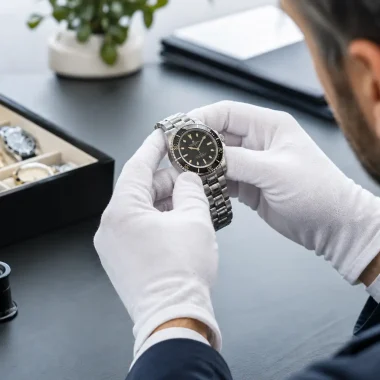
At this level, authenticity is not a formality. It is central to the value proposition. Verify the watch through a trusted specialist who can inspect the movement, case, dial, serial conventions, bracelet, and documentation. For vintage pieces, seek expertise from someone familiar with the exact era and reference rather than relying on broad luxury-watch knowledge.
Provenance can add meaningful value when it is credible and relevant. Original purchase documentation, a consistent service trail, or an important prior owner may make a watch more compelling. Do not pay a large premium for a story that cannot be substantiated.
Service is equally nuanced. A properly maintained Patek is easier to wear and easier to sell, but collectors often prefer that original external components remain untouched whenever possible. Keep all service invoices, replaced parts, and correspondence. If originality is a priority, communicate that before authorizing cosmetic work.
Build a Collection, Not a Single Bet
A collector focused entirely on one trend is exposed to that trend. A more balanced Patek Philippe strategy might pair a liquid modern sports watch with a classic complication or an elegant dress reference. One brings immediate market recognition; the other adds depth, craftsmanship, and a different demand profile.
Your personal connection to the watch still matters. The best collectible assets are often the ones you are comfortable holding through a slower market because they remain exceptional on the wrist. Wrist Prestige works with collectors who value that balance: access to notable, high-value watches alongside the ability to convert a prized piece into liquidity when the time is right.
Buy the Patek Philippe you would be proud to keep, verify every detail that supports its value, and remain disciplined when the market gets loud. That is how a status piece becomes a considered collectible.