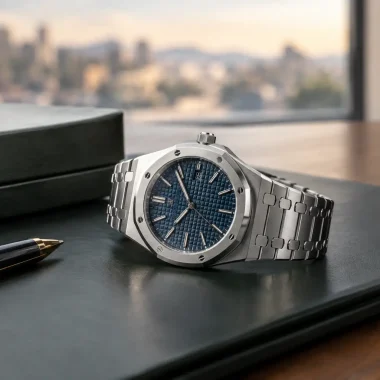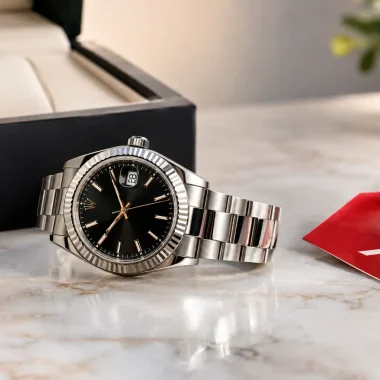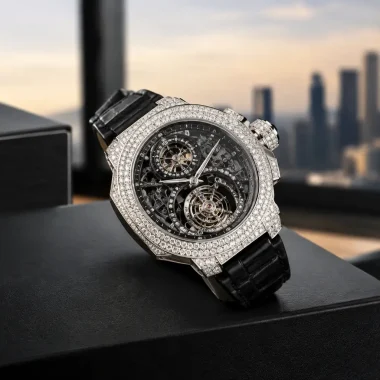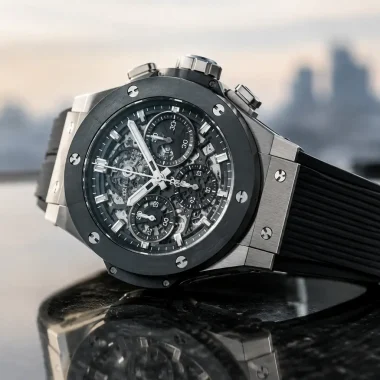
A rare watch can be available for one afternoon and gone before dinner. That is the appeal, and the risk. Knowing how to buy rare watches means moving with conviction without confusing speed for care. Whether you are considering a discontinued Rolex Daytona, an Audemars Piguet Royal Oak limited edition, a Patek Philippe complication, or a gem-set Richard Mille, the strongest purchase begins well before payment.
At this level, rarity is only one part of the equation. The right watch needs the right reference, configuration, condition, provenance, and price. A headline-making piece with a compromised dial, incomplete history, or unclear ownership can be far less desirable than a more common example with every detail in place.
Define What Makes the Watch Rare
“Rare” is often used loosely in luxury watch listings. For serious collectors, it should be specific. A watch may be rare because of low production, a short production run, a discontinued reference, a special-market release, an unusual dial, a factory diamond setting, or a significant complication such as a tourbillon or perpetual calendar. A piece-unique model operates in a category of its own.
Start by identifying exactly what you want to own. Do not stop at a brand and collection. Narrow the target to the reference number, metal, dial color, bezel configuration, bracelet or strap, production period, and ideal condition. A Rolex GMT-Master II in precious metal is not interchangeable with a steel version. A Royal Oak with a factory-set diamond dial carries a very different collector profile from one modified after purchase.
This specificity protects you from buying the first available substitute. It also helps you recognize when a watch is genuinely scarce rather than simply expensive.
Buy the Exact Reference, Not the Story
Rare watches are surrounded by stories: celebrity ownership, limited production claims, boutique exclusivity, or rumors that a reference is about to disappear. Some stories matter. Many are marketing noise.
Focus first on facts that can be verified. Confirm the reference number and compare it with the case, dial, movement, bracelet, clasp, and paperwork. For vintage and discontinued watches, period-correct components matter enormously. An original dial with attractive aging may be more valuable than a later service replacement, even if the service dial looks cleaner.
For modern collectible watches, make sure the configuration aligns with the manufacturer’s release. This is particularly important with diamond-set models, colorful dials, custom straps, and aftermarket cases. Factory originality generally carries stronger long-term demand than non-factory modification. There are exceptions for buyers who want visual impact above collector purity, but that is a personal-use decision, not the same as buying a reference with broad resale appeal.
Ask direct questions before you proceed: Is the dial original? Has the case been polished? Are the diamonds factory-set? Is the bracelet complete? Has the movement been serviced, and by whom? A credible seller should be able to answer clearly rather than relying on broad descriptions.
Condition Is Part of the Investment Case
A rare reference does not automatically overcome poor condition. Case lines that have been softened by repeated polishing, stretched bracelets, over-restored dials, moisture damage, and replacement components can materially affect desirability.
Examine detailed photographs of the case edges, bezel, lugs, bracelet screws, clasp, dial printing, hands, and crystal. On a high-value sports watch, sharp geometry is often a major part of its appeal. On a precious-metal watch, weight loss from aggressive polishing may be less obvious but still meaningful. For complicated watches, the movement’s service history becomes especially important because future maintenance can be substantial.
Condition is not always about finding a watch that looks untouched. A vintage watch may show honest wear and still be exceptional. The key is consistency. The condition should make sense for the watch’s age and should not conceal a history of excessive restoration or parts replacement.
Demand Full Provenance and the Right Set
The strongest rare watches are easy to explain. Their papers match their serial information, the configuration is correct, and their ownership history is clear. A full set typically includes the original box, warranty card or certificate, booklets, tags, extra links, and any accessories issued with the watch. For limited editions, include the edition certificate when applicable.
A full set is not mandatory for every great purchase. Certain vintage references are rarely found with original accessories, and an outstanding watch-only example can still be compelling. But the missing elements should be reflected in the price. At the upper end of the market, completeness can make the difference between a desirable watch and the example collectors compete for.
Provenance deserves additional attention when a watch is presented as celebrity-owned, one of a small number produced, or connected to a notable event. Documentation should support the claim. If it cannot be substantiated, treat it as background, not value.
How to Buy Rare Watches at the Right Price
The asking price is not the market. It is one seller’s position at one moment. Before committing, compare recent transactions for the same reference and configuration, then adjust for condition, completeness, metal, dial variation, and current availability.
The most important comparison is rarely the lowest-priced listing. An attractively priced watch may lack papers, have replacement parts, need service, or show wear that is difficult to see in standard photos. Conversely, a premium example may justify its price through untouched condition, complete accessories, documented provenance, or a highly sought-after dial.
Be equally cautious with the phrase “investment piece.” Certain references from Rolex, Patek Philippe, Audemars Piguet, and Richard Mille have demonstrated deep collector demand, but markets move. Trends, production changes, interest rates, auction results, and shifting buyer tastes all influence value. Buy a watch you would be proud to wear and own through a slower market. Potential upside should be a benefit, not the entire thesis.
Choose the Seller as Carefully as the Watch
A rare watch purchase is also a trust decision. The seller should specialize in high-value watches, provide transparent condition details, offer clear pricing, and have an established process for authentication, shipping, payment, and post-sale support.
Avoid transactions where the pressure is high but the information is thin. Blurry images, vague descriptions, reluctance to share serial details appropriately, unusual payment instructions, and prices that are dramatically below the market deserve scrutiny. Scarcity creates urgency, but it should never eliminate due diligence.
For six-figure and seven-figure purchases, use secure payment channels and insured delivery. Confirm what happens if a watch arrives materially different from its description. If you are buying across state lines or through a private arrangement, understand the sales tax, insurance, and shipping implications before funds are sent.
Wrist Prestige is built for buyers who want immediate access to rare, high-value watches without treating the transaction casually. A transparent listing should make it easier to evaluate the reference, condition, materials, complications, and price before you make a move.
Inspect Before You Commit When the Stakes Are High
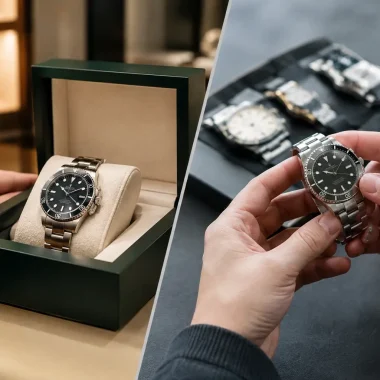
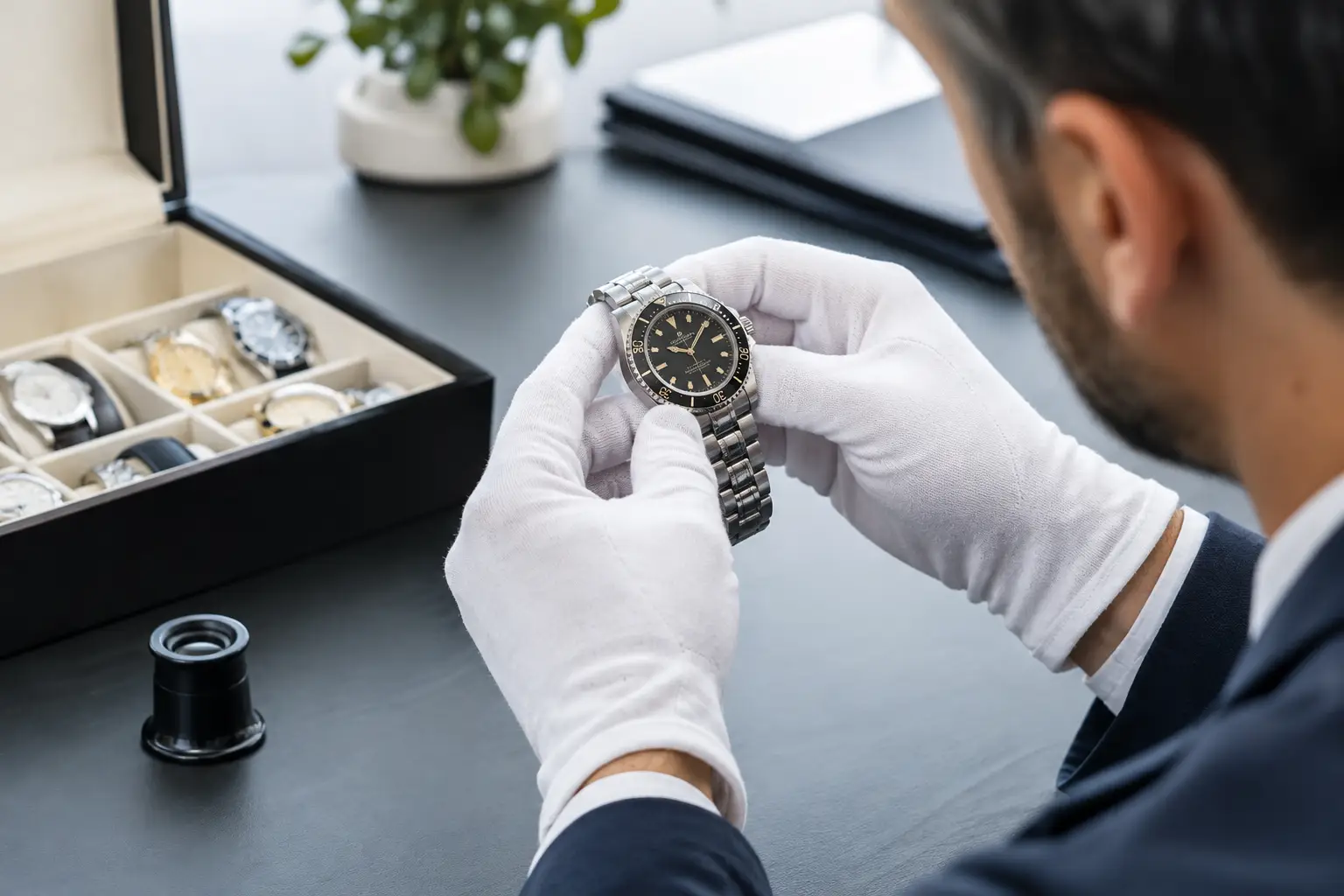
For a major acquisition, an in-person inspection or independent professional review can be worth the effort. This is especially true for vintage watches, heavily gem-set pieces, complicated movements, and references with a meaningful aftermarket-modification risk.
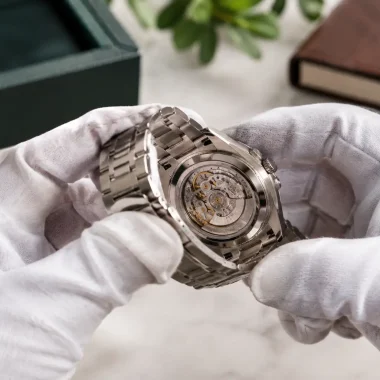
An inspection can confirm details photographs cannot fully convey: case integrity, bracelet feel, movement condition, dial texture, gem setting quality, and whether the watch presents correctly on the wrist. If an in-person review is not practical, request high-resolution images, a video showing the watch running and functioning, and documentation of recent service work.
Do not confuse authentication with condition assessment. A watch can be authentic and still be a weak example. You need both answers before you decide.
Plan Ownership Before You Buy
The purchase is only the beginning. Rare watches should be insured at an appropriate value, stored securely, and serviced by qualified professionals. Keep every document from the transaction, including invoices, service records, appraisal materials, and correspondence related to provenance.
If resale flexibility matters, preserve the complete set and avoid unnecessary modifications. Keep removed links, original straps, buckles, presentation boxes, and certificates together. A future buyer will value the same details you considered at purchase.
The best rare-watch buying decisions feel exciting because the piece is exceptional, not because the process was rushed. When the reference is right, the condition is honest, the documentation is complete, and the price reflects the market, confidence follows naturally. Then you can wear the watch, enjoy the presence it brings, and know exactly why it earned a place in your collection.