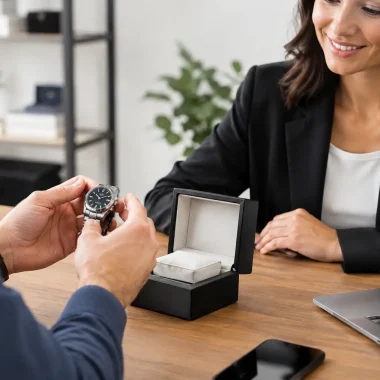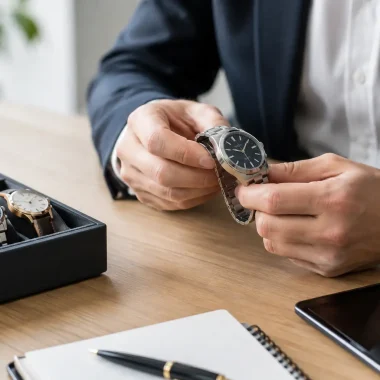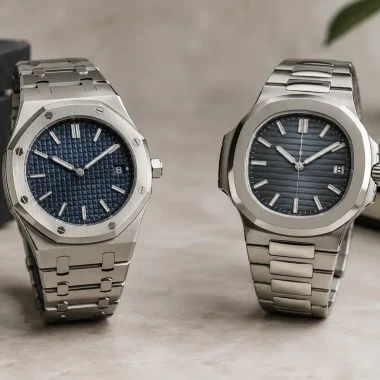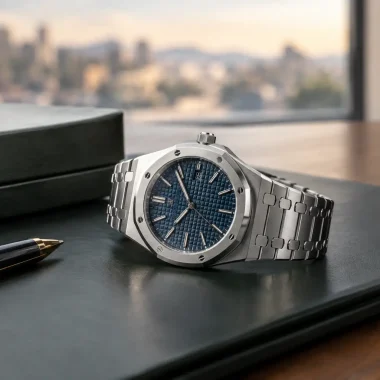
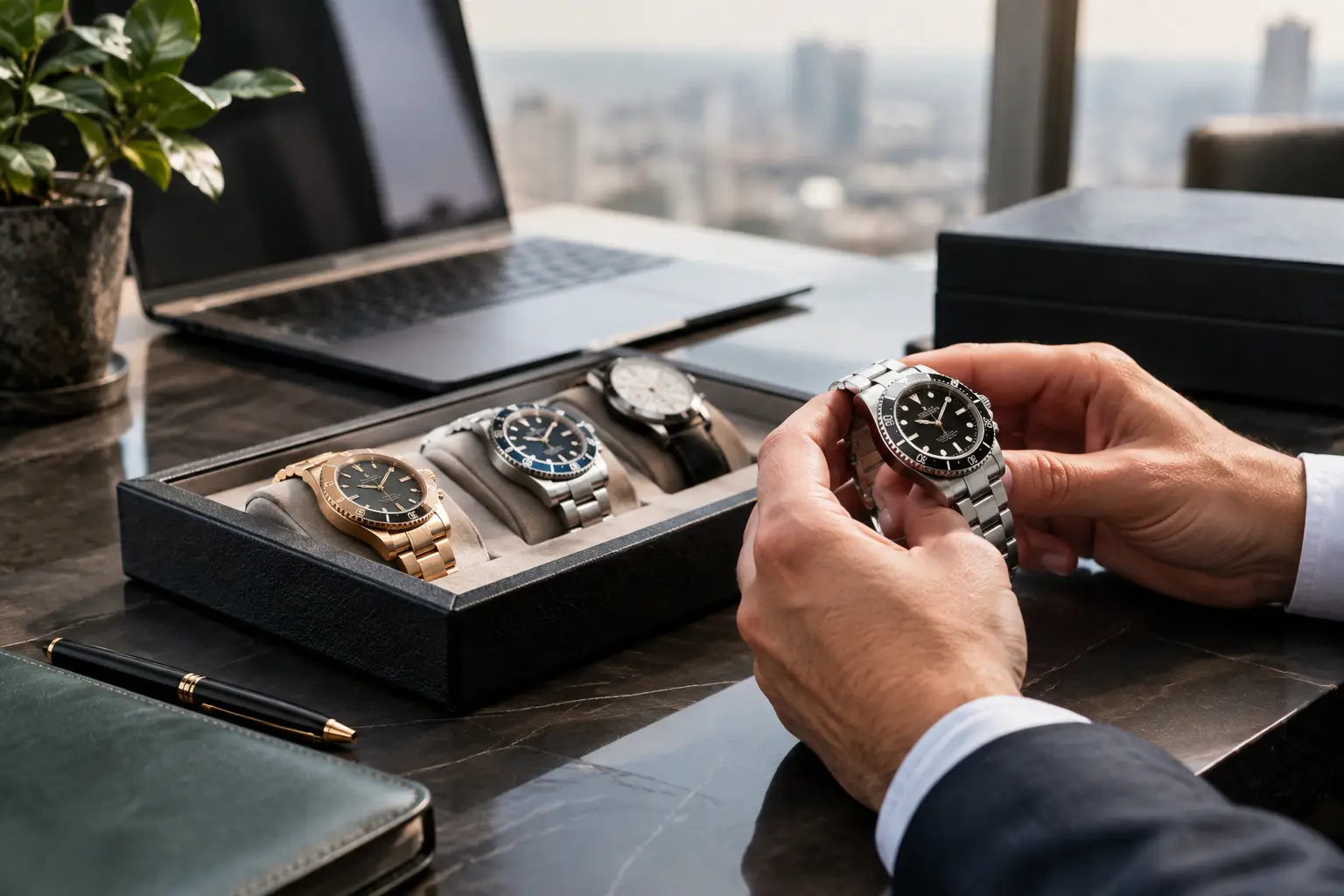
A $100,000 watch should never feel like a blind purchase. The right luxury watch marketplace guide starts with the details that separate a desirable listing from a serious acquisition: exact reference, condition, provenance, complete-set status, and a price that is clear before you commit.
For collectors, entrepreneurs, and buyers who value immediate access, an online marketplace can place rare Audemars Piguet, Rolex, Patek Philippe, Richard Mille, Jacob & Co., and Hublot watches within reach without the boutique waitlist or the uncertainty of a private message thread. But access alone is not the advantage. The advantage is knowing how to assess a watch quickly, compare it intelligently, and act when the right piece appears.
What a Luxury Watch Marketplace Should Make Clear
The best marketplace experience is direct. You should be able to see the model name, case size, material, dial configuration, movement or complication, condition, and price without chasing information through multiple conversations. For a collectible watch, vague descriptions are not a luxury feature. They are friction.
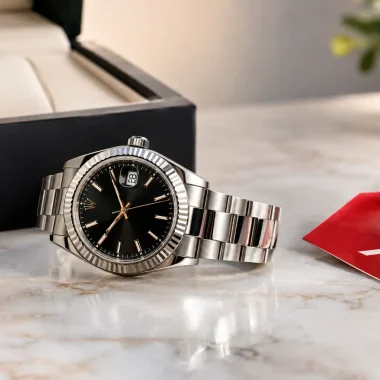
Start with the reference number. A familiar family name is not enough. A Rolex Daytona, for example, can mean very different things depending on the reference, metal, dial, bracelet, production era, and included accessories. The same applies to an Audemars Piguet Royal Oak. A 41 mm stainless steel Royal Oak with a blue dial occupies a different market position from a yellow gold Openworked model or a diamond-set limited edition.
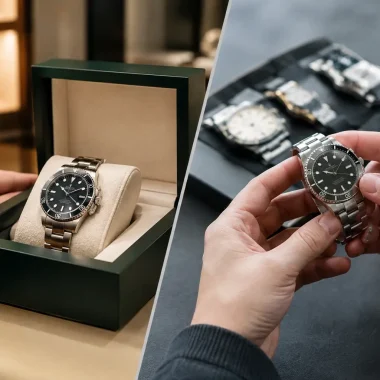
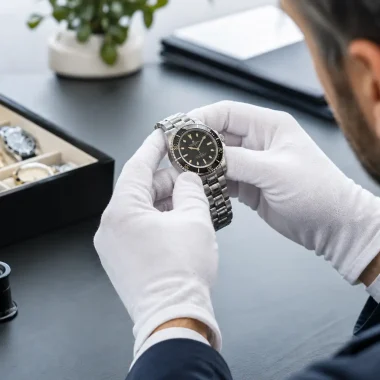
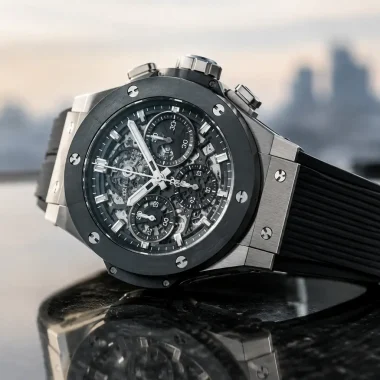
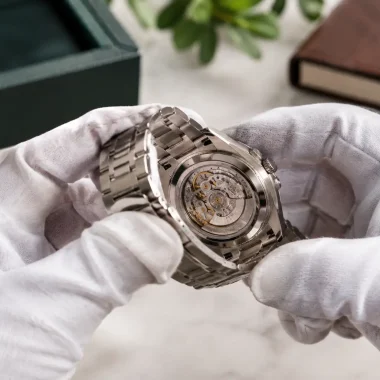
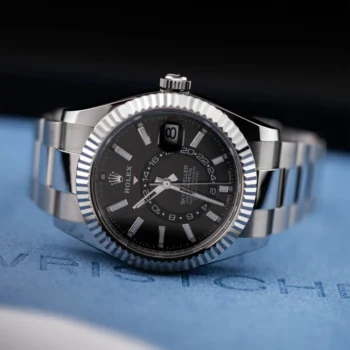
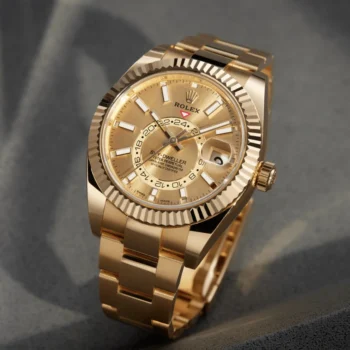
Product photography matters, but it should support the specifications rather than replace them. Look for clear images of the dial, bezel, case profile, bracelet or strap, clasp, and included box and papers when available. For pre-owned pieces, close images can reveal the level of wear, while the condition designation gives needed context. A watch described as new, unworn, excellent, or pre-owned should be priced in a way that reflects that distinction.
A platform such as Wrist Prestige is built around visible inventory, detailed product presentation, and immediate shopping access to high-value pieces. That model is particularly useful when timing matters. A limited Richard Mille, rare Patek Philippe complication, or gem-set statement watch may not remain available while a buyer spends weeks seeking a boutique allocation.
Buying Through a Luxury Watch Marketplace
A luxury watch is personal, but the purchase decision should be disciplined. Before comparing listings, decide whether you are buying for daily wear, a collection, an event, or long-term holding. The answer changes what matters most.
A daily-wear watch may call for steel, titanium, ceramic, or a durable precious-metal sports design. An acquisition for a collection may justify a more specialized complication, a highly limited production run, or a piece-unique configuration. A watch selected for maximum visual impact may place diamond setting, rare materials, or an instantly recognizable case design ahead of understated versatility.
Match the Watch to the Moment
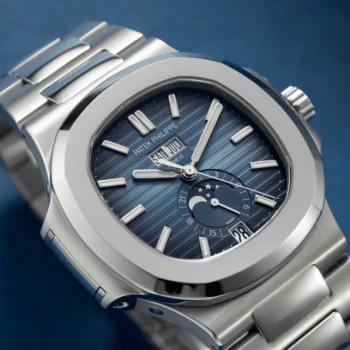
The most iconic watches tend to offer the broadest recognition. A Rolex Day-Date in precious metal, an Audemars Piguet Royal Oak, or a Patek Philippe Nautilus can be worn in a boardroom, on a flight, or at a private dinner without losing presence. They also benefit from established collector demand, though no watch should be purchased with an assumption of guaranteed appreciation.
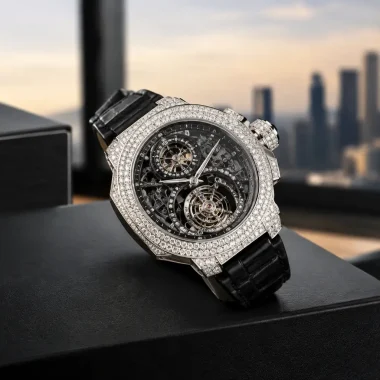
More expressive pieces serve a different purpose. A Richard Mille tourbillon, a Jacob & Co. Astronomia, or a Hublot Big Bang in a bold material is not trying to disappear under a cuff. These watches reward buyers who want engineering, conversation, and visual distinction in one object. Their audience can be narrower, which is worth considering if future resale flexibility is part of the decision.
The right choice depends on your priorities. A classic model may offer stronger everyday versatility. A rare, high-complication watch may deliver greater scarcity and collector appeal. A diamond-set watch can carry extraordinary presence, but it should be bought because that is the expression you want, not because it resembles a simpler reference with extra stones.
Read the Listing Like a Collector
A complete set generally means the watch is accompanied by its original box, papers, and related accessories. For many modern collectible watches, that package can be meaningful to both buyer confidence and future marketability. It is not the only measure of a watch’s quality, however. Vintage pieces and older collector watches may have incomplete documentation while remaining highly desirable.
Ask whether original components remain with the watch. An original bracelet, factory dial, matching clasp, and correct accessories can matter significantly depending on the reference. With complicated watches, request clarity around service history when it is relevant. With precious-metal and diamond-set models, scrutinize the exact configuration rather than assuming every stone or finish is factory original.
Price should be evaluated against the complete picture. Two listings with the same reference can deserve different prices because of condition, year, dial variation, bracelet fit, full-set status, rarity, or provenance. A lower number is not automatically the better opportunity if the watch has substantial polish, missing accessories, replacement parts, or an unclear ownership history.
How to Compare High-Value Listings With Confidence
When several watches are competing for your attention, compare the variables that create real value instead of relying on a single headline. Build your decision around the reference, condition, completeness, and availability.
- Reference and configuration: Confirm the exact reference, material, dial, bezel, bracelet, and complication. Small configuration differences can create major price separation.
- Condition: New-condition and unworn examples often command a premium. Pre-owned can represent excellent value when the wear is accurately disclosed and the watch has been well maintained.
- Completeness: Box, papers, certificates, extra straps, tools, and original packaging can strengthen a modern watch’s desirability.
- Market position: Iconic, trending, limited, and discontinued pieces do not behave the same way. Consider current demand, production volume, and how easily a comparable example can be found.
- Total buying experience: Clear pricing, secure payment options, insured delivery, responsive communication, and a defined return policy deserve weight in a six-figure decision.
Do not confuse a discount with a compromise. A visible promotional price can create a compelling entry point, particularly on a watch you already understand. Still, confirm that the reference and condition align with your target before acting. A strong deal on the wrong configuration is simply the wrong watch at a lower price.
The Seller’s Side of the Marketplace
A quality marketplace is not only where collectors acquire watches. It is also where owners convert valuable pieces into liquidity. That matters when a collection changes direction, a rare model has reached a target value, or capital is better allocated elsewhere.
Prepare a watch as carefully as you would present any other high-value asset. Gather the box, warranty card or papers, certificates, extra links, straps, tools, service records, and purchase documentation. Photograph the watch honestly, including any marks or wear. A complete presentation helps a buyer understand exactly what is being offered and can support a stronger evaluation.
Sellers should be realistic about what drives offers. Retail price is a reference point, not a promise. Current demand, condition, completeness, timing, and the number of similar watches available all influence resale value. A stainless steel sports model with broad demand may move differently than an extravagant limited edition, even when the latter carried a much higher original price.
There is also a trade-off between speed and control. Selling privately may appear to offer a higher potential number, but it can involve unqualified inquiries, payment concerns, authentication questions, and time-consuming negotiation. Selling through a specialized marketplace can offer a more focused route to qualified buyers, though the structure of the transaction should be understood upfront.
Luxury Watch Marketplace Guide: Questions Worth Asking
Before completing a purchase, ask direct questions that protect the quality of the decision. Is the watch currently available? Is the listed condition accurate? What is included? Has the watch been polished or serviced? Are all visible components original to the reference? What are the shipping, insurance, payment, and return terms?
For a complicated or ultra-rare piece, add another layer. Confirm the complication, limited-edition status, production context, and any documentation supporting special provenance. A perpetual calendar, minute repeater, tourbillon, or one-of-one gem-set creation deserves more scrutiny than a standard production model because its details are central to its value.
A serious marketplace should welcome informed questions. Buyers at this level are not looking for generic reassurance. They are looking for precise information that lets them move decisively.
The best watch is rarely the one with the loudest headline. It is the one whose reference, condition, presence, and price align with the role you want it to play – on the wrist now and in the collection later.