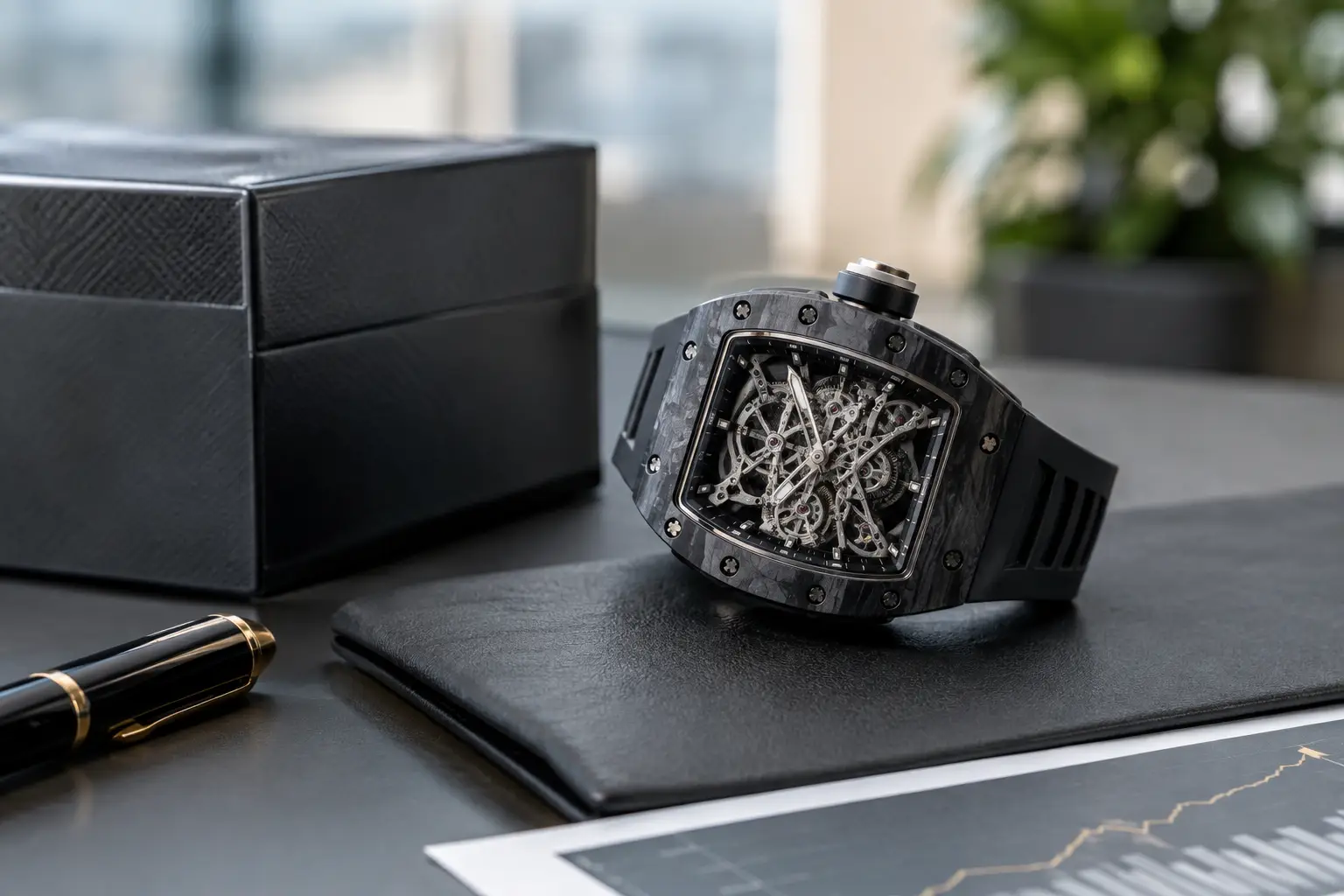
A Richard Mille is not bought like an ordinary luxury watch. The materials, engineering, athlete partnerships, limited production, and instantly recognizable case architecture all shape Richard Mille resale value long after the original transaction. For collectors, the question is rarely whether the brand carries prestige. The real question is which reference, configuration, and condition will command attention when it is time to trade, sell, or move into the next acquisition.
Richard Mille has built one of the most distinctive positions in modern haute horlogerie. Its watches are technical objects, visual statements, and scarce collector pieces at once. That combination can support exceptional secondary-market demand, but it does not make every reference equally liquid or equally protected from changing buyer preferences.
What Determines Richard Mille Resale Value?
Resale value begins with the exact reference. A familiar silhouette alone is not enough. Buyers look at production volume, case material, movement, celebrity or sports association, original retail price, and the model’s position within the brand’s history.
The most desirable pieces tend to have a clear reason to exist. An RM 27 tourbillon created for Rafael Nadal, a limited-edition RM 11 tied to a meaningful partnership, or a rare sapphire-cased complication has an immediate collector narrative. That narrative matters because the Richard Mille market is built around recognizable, conversation-starting watches. A technically impressive piece without a strong visual identity, scarce configuration, or defining story may appeal to a narrower group of buyers.
Case material can change the equation dramatically. Carbon TPT, Quartz TPT, titanium, red gold, and ceramic each attract different buyers. Sapphire cases sit in a separate tier due to their cost, complexity, and limited availability. Precious-metal models can be highly desirable, particularly in sought-after dial and strap combinations, but market demand is not determined by intrinsic material value alone. In Richard Mille, a lightweight carbon composite sports watch may trade more actively than a heavier precious-metal alternative because it better expresses the brand’s performance-first character.
Rarity Is More Than a Limited-Edition Number
A limited run can support demand, but the number on the caseback is only part of the story. Collectors also ask whether the edition is genuinely difficult to source, whether it has a respected partner or event connection, and whether the colorway remains compelling years after release.
A model limited to 50 pieces can still be challenging to sell if the design has limited appeal. Conversely, a regular-production RM 35 or RM 11 variation can have strong liquidity when supply is tight and the configuration is highly recognizable. Scarcity works best when it meets established collector demand.
The References Collectors Watch Closely
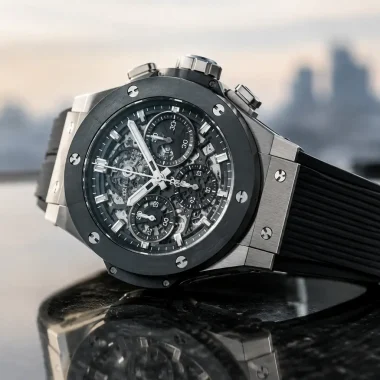
Richard Mille’s strongest resale performers are usually models with a clear place in the brand’s visual language. The RM 011 automatic flyback chronograph is a modern icon, recognizable for its tonneau case and high-energy presence. Desirable editions, discontinued variants, and rare materials can draw serious attention, especially when offered with a complete set and excellent condition.
The RM 35 family remains a major force in the sports-watch category. Its association with Rafael Nadal, featherweight construction, and bold color execution give it broad appeal among collectors who want an instantly identifiable Richard Mille. Market performance varies by generation, material, and dial layout, so an RM 35-01 should not be evaluated exactly like an RM 35-02 or a later limited variation.
The RM 27 series occupies a more elevated collector space. These ultra-light tourbillons reflect Richard Mille’s technical ambition at its highest level, and their connection to elite tennis gives them lasting cultural weight. Prices can be substantial, and buyer pools are naturally smaller, but the right example can be exceptionally compelling to advanced collectors.
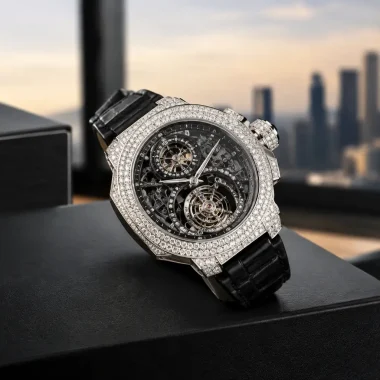
Other references have their own demand drivers. The RM 67 appeals to buyers who prefer a slimmer profile. The RM 07 and RM 037 families attract collectors seeking a smaller, more jewelry-forward design language. Highly complicated watches, gem-set executions, and piece-unique commissions can command remarkable prices, though they require a more specialized audience and precise positioning.
Condition, Completeness, and Provenance Matter
At this level, condition is not a minor detail. It is part of the asset. A Richard Mille case has complex curves, finely finished surfaces, specialized materials, and close tolerances. Poor polishing, cracked composite material, moisture damage, aftermarket gems, or non-original components can materially reduce buyer confidence and resale potential.
A strong offering should include its original presentation set whenever possible: box, papers, warranty card, manuals, accessories, and service documentation. These items validate the watch’s history and make the next transaction easier. For rare references, original documentation can be especially meaningful because it confirms the exact edition, delivery details, and configuration.
Provenance can add another dimension. A watch with verified ownership tied to an athlete, entertainer, or notable collector may deserve closer attention, but only when the documentation is credible. Unverified stories do not create value. Clear records do.
Service history also deserves scrutiny. Richard Mille watches are highly engineered machines, and authorized service is a meaningful consideration for a buyer evaluating long-term ownership. A recently serviced watch may be more attractive, but collectors should still assess whether the service was performed properly and whether any replaced components affect originality.
Asking Prices Are Not the Market
The most visible price online is not always the most relevant one. Dealers and private sellers may list ambitious numbers to test demand, protect inventory margins, or account for negotiation. The market is better understood through realistic transaction expectations, availability of comparable examples, and the speed at which qualified buyers respond.
For sellers, this is where timing and presentation matter. A popular reference priced correctly, photographed clearly, and offered with full documentation can move very differently from the same watch presented with vague details and an inflated expectation. For buyers, a sharp price should be examined rather than celebrated immediately. Confirm condition, completeness, serial documentation, service needs, and authenticity before treating any discount as an opportunity.
Currency shifts, new releases, celebrity visibility, auction results, and broader luxury demand can all affect pricing. Richard Mille is a prestige-driven market, so sentiment can move quickly around certain references. That is why a purchase should be led by the quality of the watch first, with resale potential as a disciplined second consideration.
How to Buy With Future Value in Mind
The strongest approach is selective, not speculative. Choose a reference you would be proud to own even if the market pauses. Focus on clean examples with original components, complete sets, and a configuration that makes immediate sense within the Richard Mille catalog.
Avoid treating every rare color or limited engraving as automatically valuable. Ask whether the watch has lasting collector relevance. Does it connect to a defining ambassador? Is the material significant? Is the complication central to the model’s appeal? Can another experienced collector understand its importance in seconds?
For a first Richard Mille, established icons often offer the clearest path. They have recognizable demand, more available market comparisons, and a wider base of future buyers. More unusual or ultra-high-value pieces can be extraordinary acquisitions, but they are best approached with an understanding of the smaller, more selective buyer pool.
Selling a Richard Mille Without Leaving Value Behind
A seller should prepare the watch before requesting an offer. Gather every original item, locate service records, photograph the case and clasp carefully, and disclose wear with precision. Transparency protects the transaction and helps a serious buyer evaluate the watch quickly.
The best selling route depends on the reference. A highly liquid model may benefit from broad exposure to qualified buyers. A rare tourbillon, sapphire case, or gem-set piece often needs a specialist audience that understands the details that justify its price. Wrist Prestige evaluates high-value watches with the model-specific context that generic resale channels often miss.
Do not rush into the first number simply because it is immediate. At the same time, do not hold a watch indefinitely for an unrealistic price target. A well-positioned sale balances market evidence, the watch’s exact condition, and the value of a secure, efficient transaction.
The most rewarding Richard Mille acquisitions are the ones that still feel exceptional every time they leave the watch box. Buy the reference with the right story, material, condition, and presence, and its resale appeal has a far stronger foundation when the next collector comes calling.