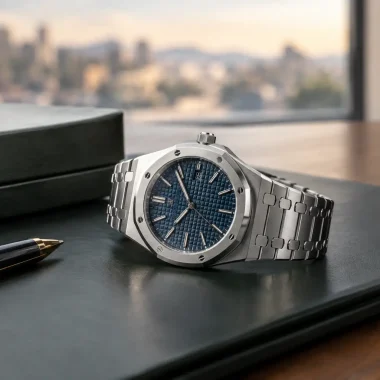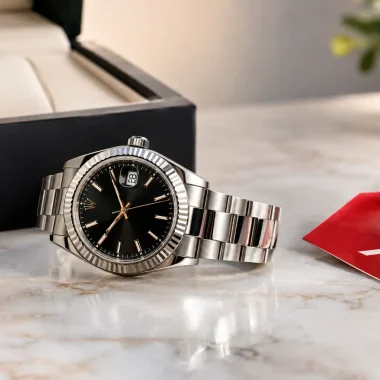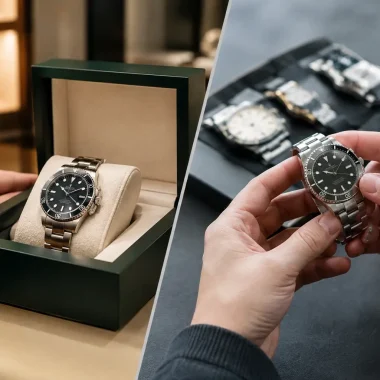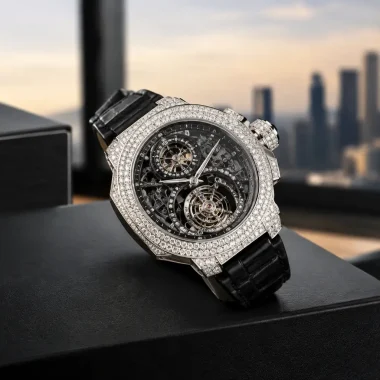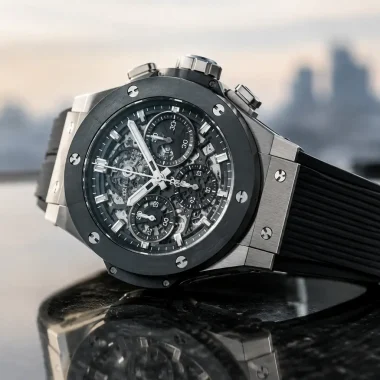
A valuable watch can look like instant liquidity on the wrist. The reality is more selective. Knowing how to sell luxury watch pieces well means protecting the details that create their value: exact reference, condition, provenance, completeness, and market timing. A Rolex Daytona, Audemars Piguet Royal Oak, Patek Philippe complication, or Richard Mille limited edition should never be treated like a generic pre-owned item.
The strongest sale starts before you ask for an offer. Present the watch correctly, understand what the market is rewarding, and choose a buyer equipped to evaluate high-value timepieces. The goal is not simply to sell quickly. It is to receive a credible offer, complete the transaction securely, and move forward with confidence.
Know What You Actually Own
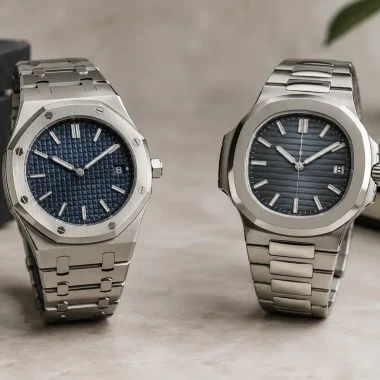
Luxury watch values are reference-specific. Two watches from the same collection can trade at dramatically different levels because of case material, dial configuration, production year, bracelet, complication, and condition. A stainless steel sports model with an in-demand dial can command more attention than a precious-metal variation, while a discontinued reference or limited production piece can carry a premium that is invisible to a general buyer.
Start with the complete identification of your watch: brand, collection, reference number, serial or production details where appropriate, case size, metal, dial, bezel, bracelet or strap, and complication. For a complicated piece, specify features such as a perpetual calendar, chronograph, minute repeater, skeletonized movement, or tourbillon. For diamond-set and piece-unique watches, the setting details and accompanying documentation are especially important.
Do not rely only on a quick online search for the name on the dial. Asking prices are not completed sales, and broad collection listings rarely reflect the exact watch in front of you. A 41 mm Royal Oak, a ceramic Big Bang, and a gem-set Astronomia each require a different buyer pool and valuation approach.
Condition Is a Price Driver, Not a Footnote
At the luxury level, condition can materially change an offer. A watch described as pre-owned may still be unworn, near-new, lightly worn, polished, or visibly used. Those distinctions matter. Crisp case edges, an original factory finish, a clean crystal, proper bracelet stretch, and a functioning movement are all part of the value conversation.
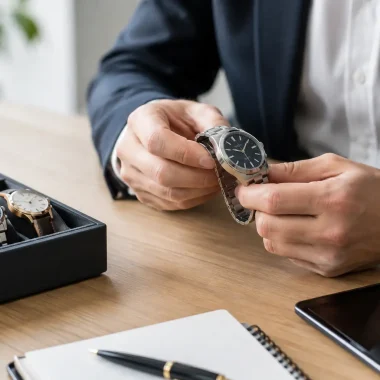
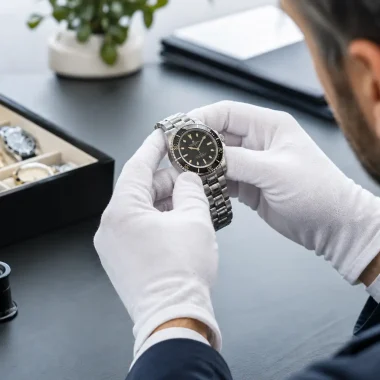
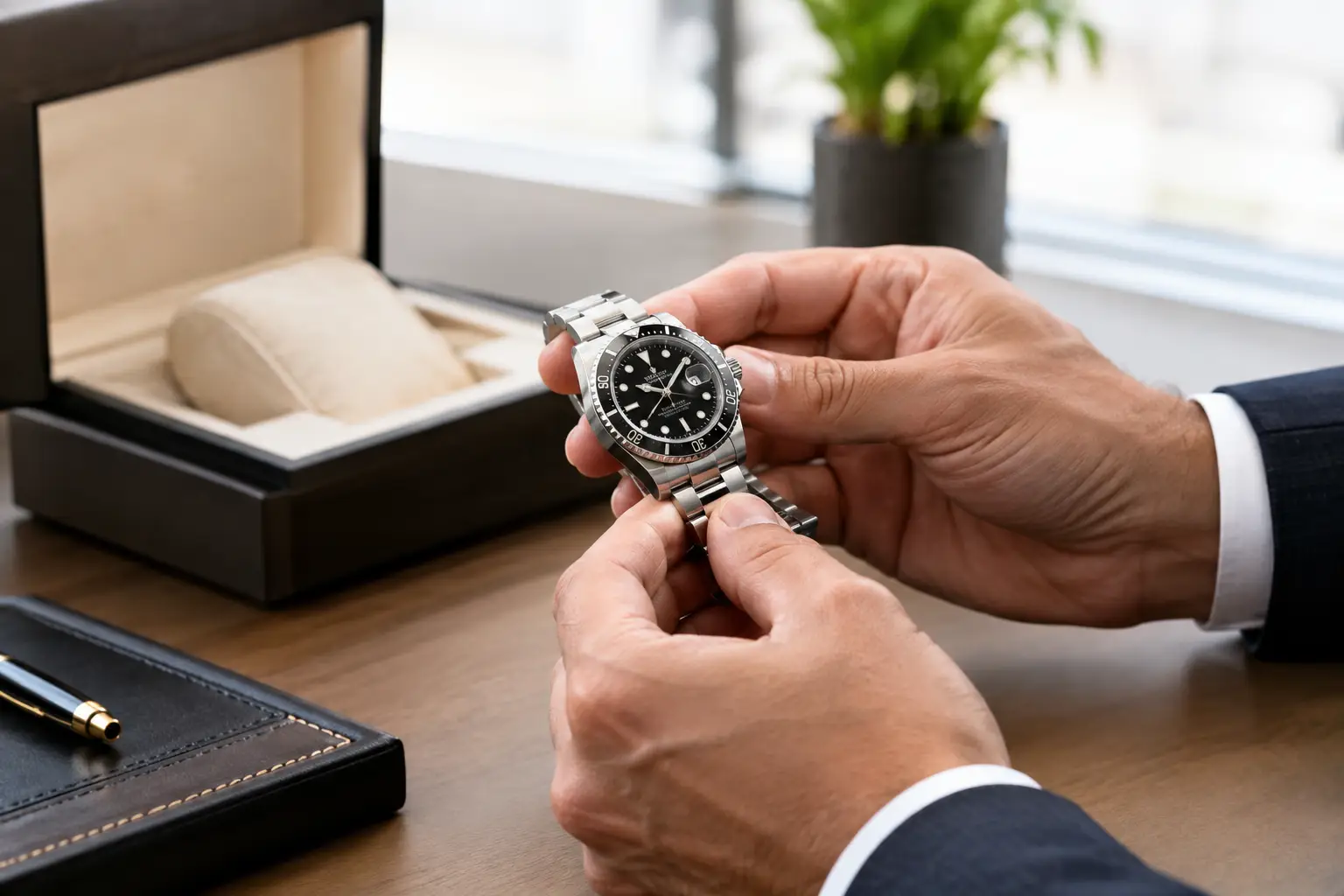
Inspect the watch honestly before presenting it. Note scratches on polished surfaces, marks on the bezel, chips in the crystal, discoloration, aftermarket parts, missing links, and service history. Never attempt a home polish or cosmetic repair before selling. An unnecessary polish can soften the sharp lines collectors expect on models such as the Royal Oak or Rolex sports references. A qualified buyer can determine whether professional service is worthwhile.
Originality also matters. Factory dials, hands, bezels, bracelets, and gem settings generally support stronger value than aftermarket modifications. An aftermarket diamond bezel may be visually bold, but it can narrow the resale audience for a collector-focused reference. That does not make it unsellable. It simply changes who is likely to buy it and what they may pay.
Gather the Details That Support the Sale
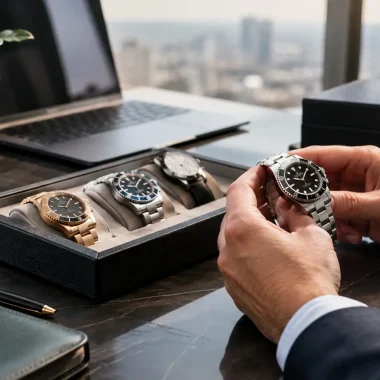
A complete set is often easier to sell and may earn a stronger offer. Bring together the original box, warranty card or papers, booklets, hang tags, extra bracelet links, service receipts, certificates, and any limited-edition documentation. For rare independent watches and high-complication pieces, provenance can be as persuasive as condition.
If you do not have the box or papers, do not assume the sale is over. Many desirable watches trade successfully without them, particularly older references. But be direct about what is included. Missing documentation may reduce value, extend the evaluation process, or lead a buyer to request additional verification.
Take clear, current photos in natural light. Photograph the dial, caseback, bracelet or strap, clasp, sides of the case, bezel, crown, reference markings, and every included accessory. Avoid heavy filters, low-resolution screenshots, and stock images. A serious buyer needs to see the actual piece, not a version of it.
How to Sell a Luxury Watch at the Right Time
The best time to sell depends on the watch and your priorities. Certain references gain attention after a discontinuation, a celebrity appearance, a major auction result, or renewed interest in a specific dial or material. Others perform consistently because demand for iconic models remains deep. Market momentum can help, but waiting indefinitely for a theoretical peak can also delay liquidity when you are ready to move on.
Look at the watch through two lenses: its current demand and your desired outcome. If speed and certainty matter most, an immediate purchase offer from an established luxury watch buyer may be the right route. If maximizing the possible headline number matters more and you can wait, consignment may be worth considering. Consignment can expose the watch to a broader retail audience, but the process may take longer and final proceeds usually depend on the agreed commission structure.
Be cautious with private sales. A direct buyer might appear to offer more, yet the difference can disappear when you factor in payment risk, chargeback exposure, shipping, insurance, authentication disputes, and the time required to qualify strangers. For a six-figure watch, secure execution is part of the price.
Choose a Buyer Built for High-Value Watches
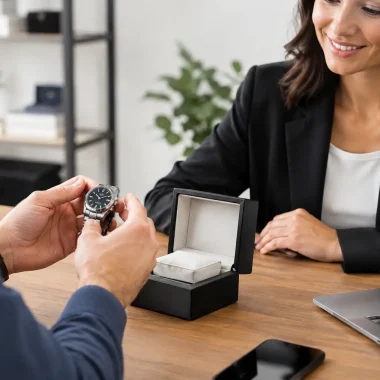
A luxury watch deserves a buyer who understands its market, not a generic pawn transaction or an unverified social-media inquiry. Look for a specialist that deals in the brands, price levels, and complications relevant to your piece. The buyer should be prepared to discuss your exact reference, condition, included accessories, and the basis for the offer.
A credible process is clear about evaluation, payment timing, insured shipping or secure handoff, and the documentation required to complete the sale. Ask whether the offer is firm after inspection, what can cause it to change, and how payment is issued. Read every term before transferring possession.
Wrist Prestige provides a specialized path for owners ready to convert collectible luxury watches into liquidity. For sought-after Rolex, Patek Philippe, Audemars Piguet, Richard Mille, Hublot, Jacob & Co., and comparable pieces, a focused marketplace can be better positioned to recognize the value in rarity, presentation, and immediate demand.
Price for the Real Market, Not the Highest Listing
The number you have seen online may be an asking price, a retail price, or a stale listing that has not sold. A fair offer accounts for the dealer’s authentication work, capital commitment, market risk, marketing, warranty obligations where applicable, and the time required to find the next buyer. That margin is not automatically a bad deal. It is the trade-off for speed, security, and a completed transaction.
At the same time, do not accept vague pricing. Provide complete information and request an offer based on the watch as it exists today. If one number is significantly lower or higher than expected, ask why. A strong explanation may point to condition, missing papers, an aftermarket alteration, low current demand, or a distinction between wholesale acquisition value and retail resale value.
For exceptional watches, rarity must be documented rather than merely claimed. Limited production counts, original certificates, boutique delivery records, and factory specifications can make the difference between an attractive listing and a compelling collectible.
Make the Handoff as Carefully as the Sale
Once you select a buyer, protect the final step. Confirm the buyer’s identity and business details, understand the shipping instructions, and insure the package for its appropriate declared value if shipping is involved. Photograph the watch and its contents before packing. Do not send a high-value timepiece through an uninsured or informal channel.
For an in-person transaction, meet through an established business process rather than a casual parking-lot exchange. Confirm when funds are considered cleared, especially for wires, checks, and electronic payments. Keep copies of the invoice, communications, shipment records, and final sale documentation for your records.
A luxury watch has already earned its place in your collection. When it is time for its next chapter, sell it with the same precision that made you choose it in the first place.