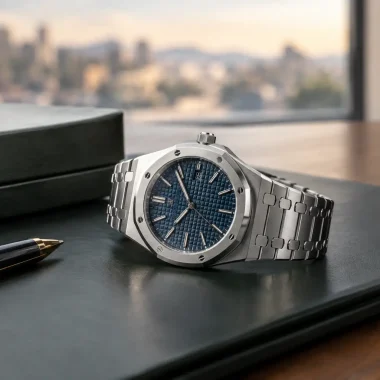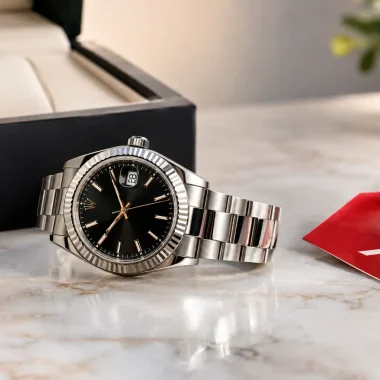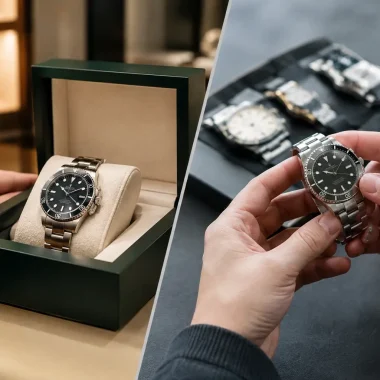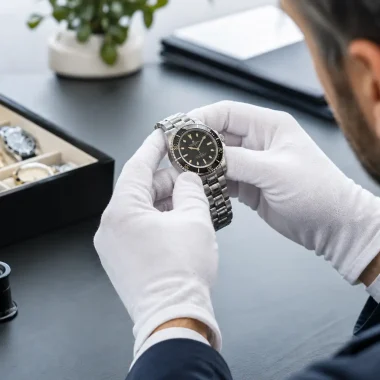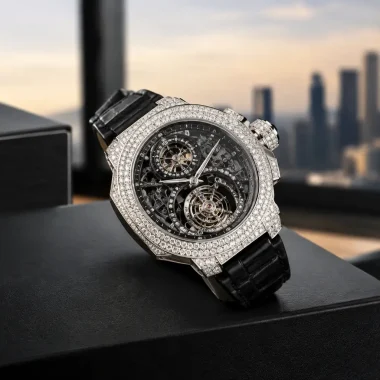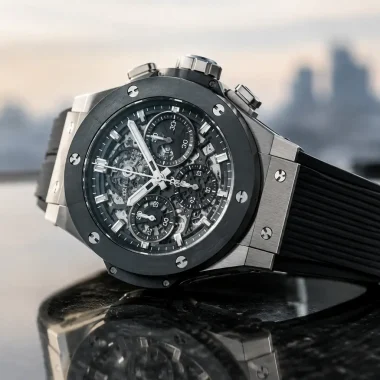
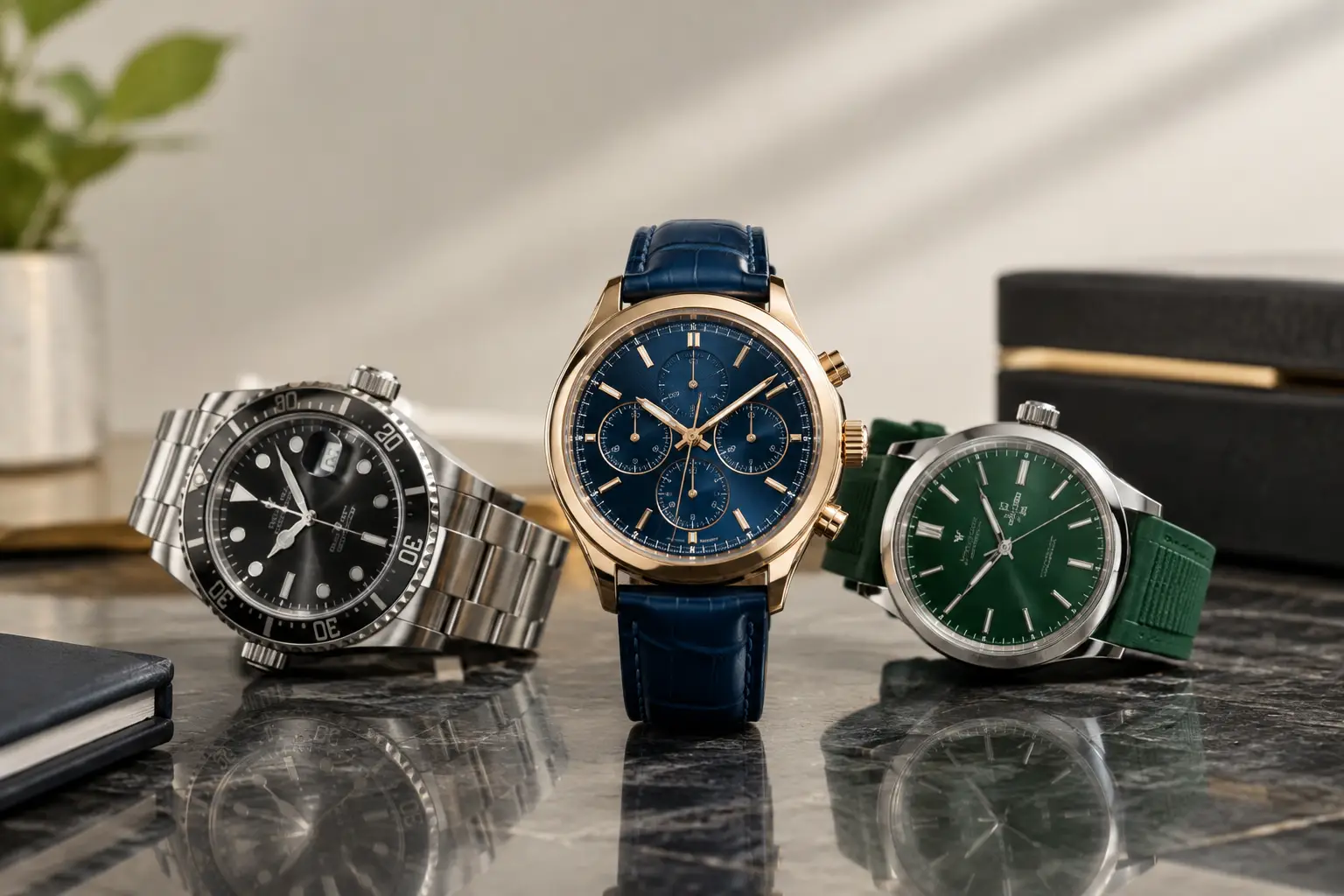
A limited run printed on a dial or caseback is not, by itself, a reason to buy. The best limited edition watches for sale combine a credible production story with unmistakable design, technical interest, and the kind of provenance collectors recognize immediately. For buyers operating at the highest level, rarity must feel earned.
A 50-piece Audemars Piguet Royal Oak Concept, a Richard Mille created for a defining athlete, or a gem-set Jacob & Co. complication can deliver more than wrist presence. These watches can mark a moment in a brand’s history, a collaboration that will not be repeated, or an engineering milestone difficult to recreate. That is where collecting begins to become strategic.
What Makes a Limited Edition Worth the Premium?
Limited production matters, but production count is only one part of the equation. A watch limited to 200 pieces from a highly sought-after reference family may be more compelling than a watch limited to 20 pieces from a less established collection. Demand, not the engraving alone, determines how meaningful the number becomes.
Start with the watch’s place in the brand. Rolex limited availability works differently from a numbered independent release, while a Patek Philippe special series carries a different collector language than a Hublot collaboration. The strongest pieces tend to have a clear reason for existing: an anniversary, a motorsport partnership, a technical first, a destination-exclusive release, or a creative collaboration with lasting cultural reach.
The details should support that story. A unique dial material, a proprietary case construction, a tourbillon movement, a special bracelet, or a distinctive colorway can create separation from the core model. A simple logo change on a standard reference may still appeal to the right buyer, but it generally commands a more selective audience.
Production Numbers Need Context
A run of 100 watches is not automatically scarcer in the market than a run of 500. Some editions were placed quietly with established collectors and rarely return to market. Others were broadly distributed, heavily traded, or released in multiple color variants that dilute the impact of a single edition.
Ask whether the stated number applies to the exact configuration. A brand may produce 75 examples in one metal, 75 in another, and several related editions under the same partnership. That does not make the watch less desirable, but it changes how you should evaluate true supply.
It also helps to distinguish between limited editions and piece-unique watches. A one-of-one diamond-set Richard Mille or a custom Jacob & Co. Astronomia occupies a different category from a numbered production model. Piece-unique status can be extraordinary, yet resale appeal depends heavily on design taste, documentation, and whether the customization reflects a recognized factory creation rather than a later alteration.
The right questions before purchase
Before committing, verify the exact reference, edition size, year, serial or edition number, condition, and included set. Original box, papers, service records, certificates, and any special-edition presentation materials matter. On a high-value watch, these are not afterthoughts. They help establish authenticity, strengthen future resale confidence, and complete the ownership experience.
Condition requires the same discipline. An unworn example with factory stickers may command a premium, particularly for a recently discontinued release. A carefully worn watch can still be an excellent purchase if its case geometry remains sharp, its bracelet has not been over-polished, and its movement is healthy. A polished case is not always a deal breaker, but it should be reflected in price and understood before the transaction.
Buy the Watch, Not Just the Scarcity
Collectors who make confident acquisitions usually begin with the model they would be proud to wear. That approach protects against the most common mistake in limited-edition buying: paying a major premium for an edition that has little emotional or design appeal beyond its production number.
Consider how the watch performs on the wrist. A 44 mm Hublot Big Bang with carbon fiber, colored sapphire, and a skeletonized movement makes a very different statement from a platinum Patek Philippe complication. One may be the ideal travel, event, or sports watch; the other may belong in a more discreet rotation. Neither is objectively better. The right choice depends on the role the watch will play in your collection.
Material also changes the ownership equation. Titanium and carbon composite cases offer a technical, lightweight feel. Ceramic has a bold, highly resistant presence, though it requires specialized care if damaged. Precious-metal cases deliver traditional weight and visual authority. Gem setting can elevate a watch into a true statement piece, but the setting quality, factory origin, and overall design balance should justify the price.
How Market Liquidity Shapes the Decision
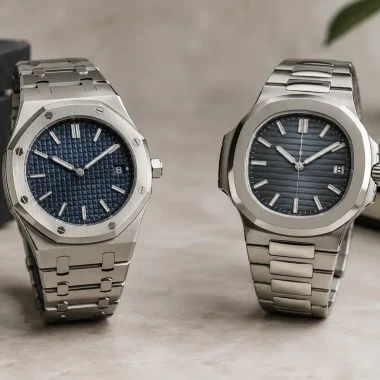
A limited watch can be rare and still take time to sell. Liquidity is usually strongest when scarcity meets a recognized name, an iconic silhouette, and broad demand among collectors. Royal Oak, Nautilus, Daytona, RM 11, and select Richard Mille tourbillon families often benefit from deep market awareness, though individual references can vary dramatically.
More expressive watches can offer exceptional value precisely because their buyer pool is narrower. A diamond-set complication or a vivid boutique-exclusive colorway may be perfect for a collector who wants visual impact and does not need instant exit liquidity. That trade-off is worth making when the watch speaks to your style and the purchase price reflects the market realistically.
Price transparency matters here. A clear listed price lets serious buyers compare the watch against its condition, completeness, and availability without wasting time in vague negotiations. At Wrist Prestige, the opportunity is immediate access to scarce inventory that may otherwise require a boutique relationship, a private-network search, or a long wait with no guaranteed outcome.
Provenance Is Part of the Asset
For collectible watches, provenance can create separation between two otherwise identical examples. Original documentation, a known ownership history, a special-order record, or an association with a documented event can all increase confidence. Factory service history is especially valuable for complicated watches, where movement maintenance directly affects ownership cost and future marketability.
Be careful with aftermarket changes. Custom diamonds, replacement dials, non-factory coatings, and altered case components may suit a personal taste, but they can limit demand among purist collectors. There are exceptions, particularly where recognized jewelers or established custom houses have created a respected piece. Still, factory originality generally provides the clearest path to broad resale appeal.
The same applies to completeness. A watch without papers is not necessarily a poor purchase, particularly for older or truly rare examples. But when comparing two similar modern limited editions, the full set will usually be easier to place later and may deserve a higher valuation.
A Smarter Way to Build a Limited Collection
Instead of chasing every release, build around a point of view. One collector may focus on Audemars Piguet collaborations and Concept models. Another may concentrate on highly complicated Patek Philippe references, modern Rolex variants, or independently made tourbillons. A focused collection feels more intentional and makes each new acquisition easier to assess.
It can also be wise to balance recognizable icons with personal convictions. An iconic limited edition may provide strong market familiarity, while a bolder, less obvious watch can make the collection distinctly yours. Keep room for both. The most memorable collections are not assembled from consensus alone.
Timing matters, but perfection is rarely available. Waiting for the absolute lowest price can mean missing the exact condition, dial, set, or serial range you wanted. Conversely, urgency should never replace inspection. When the right watch appears, move decisively after the details have been verified.
A limited edition earns its place when you can explain why it matters without pointing only to the number on its caseback. Choose the watch with the story, condition, and presence you will still respect years from now – then wear it like it was always meant to be yours.