A diamond watch is not simply a watch with more brilliance. At this level, it is a statement of taste, a technical object, and often a scarce collectible with a value story of its own. This diamond watch buying guide is built for buyers deciding between factory-set references, exceptional aftermarket creations, full pavé pieces, and gem-set complications from the world’s most recognized maisons.
The right purchase should look extraordinary on the wrist, but it should also stand up to close inspection. Brand, reference, diamond quality, setting execution, condition, and documentation all affect what you own the moment the watch is in your hands – and what it may command when you decide to sell.
Start With the Watch, Not the Diamonds
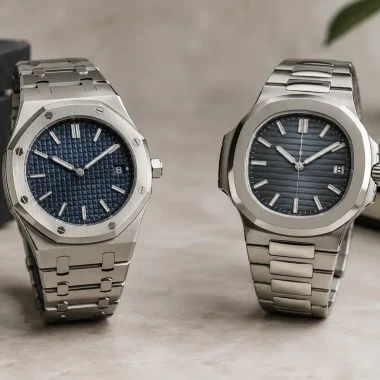
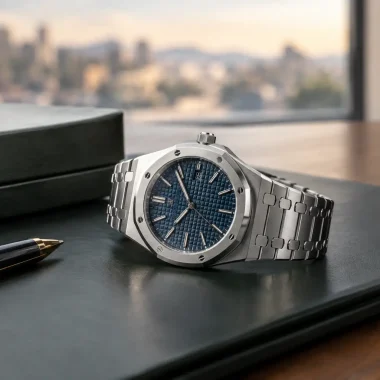
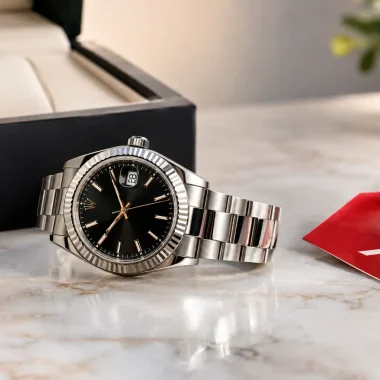
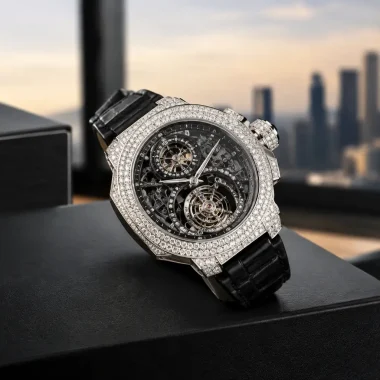
The strongest diamond watches begin with an already desirable platform. A Rolex Daytona, Audemars Piguet Royal Oak, Patek Philippe Nautilus or Aquanaut, Richard Mille tourbillon, or Jacob & Co. high-complication piece has an established identity before a single stone is added. That foundation matters because it shapes demand, serviceability, and long-term collector interest.
Ask a simple question: would you want this reference if it were not diamond-set? If the answer is yes, the diamonds become an enhancement rather than a substitute for desirability. An iconic steel sports watch with a precise factory gem setting can feel restrained and powerful. A fully set rose-gold complication can deliver maximum visual impact. Neither approach is automatically better. The right choice depends on whether you want discreet collectibility, unmistakable presence, or something piece-unique.
Factory gem-set references are generally the cleanest route for buyers focused on provenance. Their diamond work is specified by the manufacturer, executed to the brand’s standards, and reflected in the original configuration. These watches can be difficult to source, particularly in limited production, but their identity is uncomplicated.
Aftermarket diamond watches occupy a different category. The best work can be highly skilled, visually dramatic, and compelling for an owner who values a customized look. Yet customization can alter originality, manufacturer warranty eligibility, and the resale audience. Treat an aftermarket-set piece as a purchase based on craftsmanship and personal style, not as a factory equivalent.
Diamond Watch Buying Guide: Read the Setting Closely
The diamonds should appear intentional, not merely abundant. On a high-end watch, setting quality determines whether the finished piece looks refined under direct light or uneven under a loupe.
Examine the consistency of the stone layout across the bezel, lugs, bracelet, dial, and case flanks. Diamonds should sit level, align cleanly, and maintain an even visual rhythm. Poorly matched stones can create patches of different color or brightness. Uneven prongs, excessive metal around the stones, visible adhesive, or gaps in pavé work are immediate warning signs.
Cut usually has the most visible effect on brilliance. Well-cut diamonds return light with sharp, lively flash; mediocre stones can look flat even when the carat weight is substantial. Color and clarity still matter, especially on bright white-metal watches where warmer stones are easier to notice. However, the ideal standard changes with the design. A snow-set dial is judged differently from a symmetrical, invisible-set bracelet, where precision and pattern are central to the appeal.
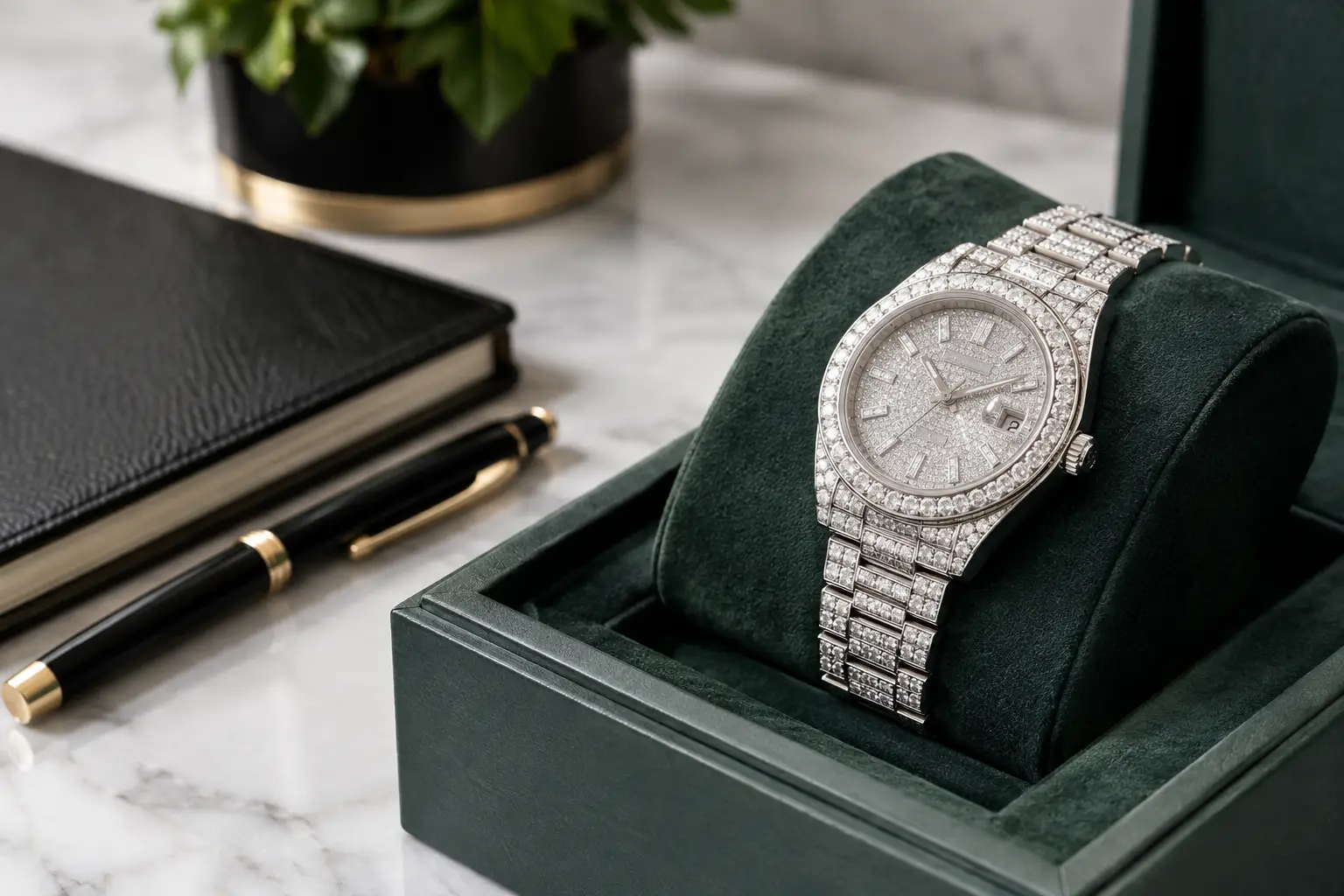
Also consider the setting style. Baguette diamonds bring architectural lines and a sharper, more formal look. Round brilliant pavé produces continuous fire and is often more versatile. Invisible setting creates a nearly uninterrupted diamond surface, but it demands exceptional construction and deserves particularly careful inspection. Larger stones can make a bezel or bracelet feel more exclusive, though they also change the profile and wearability of the watch.
Factory Set vs. Aftermarket: Know the Trade-Off
A factory diamond watch offers clarity. The case, bracelet, dial, and stones were designed as one product, with the correct tolerances, finishing, and reference-specific details. For collectors, this is usually the preferred configuration, particularly when buying a Rolex, Patek Philippe, or Audemars Piguet with strong reference-driven demand.
That does not mean aftermarket is always the wrong decision. Some buyers want a diamond-set watch that does not exist in the brand catalog, or they prefer a more aggressive full-set aesthetic than a factory model provides. A properly executed custom piece can be a remarkable personal watch. It may also carry a lower entry price than a comparable factory-set configuration.
The trade-off is liquidity. Original factory examples generally appeal to a broader resale market, while aftermarket watches depend more heavily on the quality of execution and the preferences of the next buyer. If resale flexibility is a priority, favor documented factory gem setting or clearly priced aftermarket work from a source that is transparent about the modification.
Condition Is More Than a Cosmetic Detail
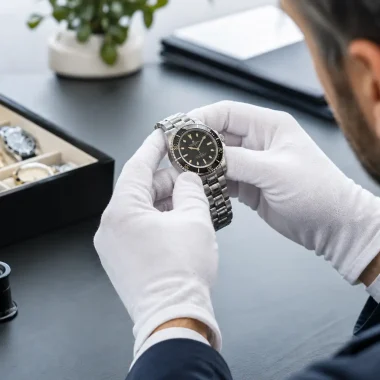
Diamond watches are exposed to more than ordinary wear. Bracelet stretch, impact marks around stone-set bezels, missing stones, dial damage, and polished case edges can all affect value. A watch may look spectacular in a photograph while hiding issues that become obvious in person.
Review whether the diamonds are secure and whether any replacements are visible through differences in color, size, or brilliance. On watches with diamond bracelets, inspect the clasp, links, and underside of the setting, where wear may be less visible. A full pavé piece should not have loose stones, sharp edges, or areas where the setting has lifted.
For the watch itself, condition still means what it always means in serious collecting: crisp case geometry, correct dial and hands, functioning complications, and a movement that has been properly serviced. Diamonds do not excuse a compromised foundation. On a tourbillon, perpetual calendar, or chronograph, mechanical condition deserves the same attention as the gem work.
Documentation Protects the Purchase
At this price point, documentation is part of the watch. The original box, warranty card, papers, service history, and purchase records create a stronger ownership file and make future resale more straightforward. For factory diamond pieces, these materials help confirm the watch was delivered in its current specification.
Independent diamond reports can be useful on certain heavily set or custom watches, especially where carat weight and stone quality are key to the asking price. Still, a report should support due diligence, not replace it. It may describe the diamonds without resolving questions about originality, setting quality, or the condition of the underlying watch.
Verify the serial number, reference number, and overall configuration against credible records. If a seller describes a watch as factory-set, the details should be consistent with that claim. If it is aftermarket, that should be disclosed directly. Clear provenance is not paperwork for paperwork’s sake. It is the difference between buying with confidence and inheriting unanswered questions.
Choose the Right Level of Presence
A diamond watch should fit your actual life, not just a display case. A diamond bezel on a Royal Oak or Daytona can transition from dinner to a private flight to a boardroom without feeling overdone. A fully set Richard Mille or Jacob & Co. is designed for a different kind of entrance – one where visual impact is the point.
Case size matters more once diamonds are involved. Stones add visual scale, and a 40 mm diamond-set watch can wear considerably larger than its non-set counterpart. Consider the metal as well. White gold and platinum emphasize icy brilliance; yellow gold produces contrast and warmth; rose gold can make white diamonds feel softer and more expressive.
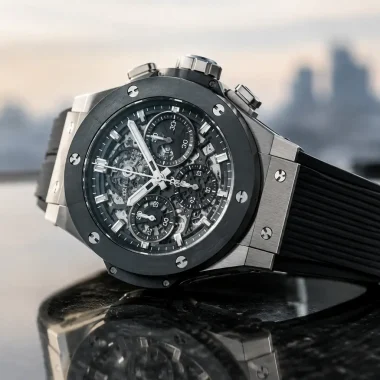
Dial treatment sets the tone. A black or deep blue dial creates contrast and lets a diamond bezel lead. A pavé dial turns the entire watch into a light-catching surface. Baguette indexes can offer a more tailored look than full pavé, while colored gemstones introduce a more individual, collector-forward character.
Buy for Confidence, Then Enjoy the Rarity
The best diamond watch purchase combines immediate impact with details that reward ownership over time. Choose a reference with real demand, inspect the setting as closely as the movement, understand whether the diamonds are factory or aftermarket, and insist on honest condition disclosure.
When the configuration is right, a diamond-set watch does more than signal success. It becomes the piece people remember: rare enough to hold attention, refined enough to wear often, and distinctive enough to remain yours in a market full of familiar watches. For buyers ready to move beyond the ordinary, Wrist Prestige offers access to exceptional pieces where the specifications, provenance, and presence deserve the same level of attention.