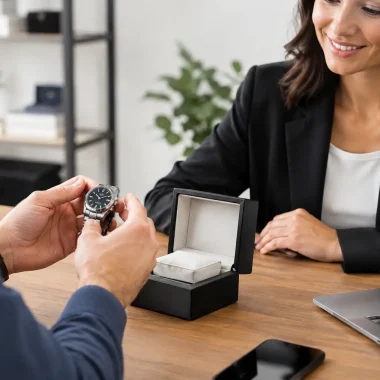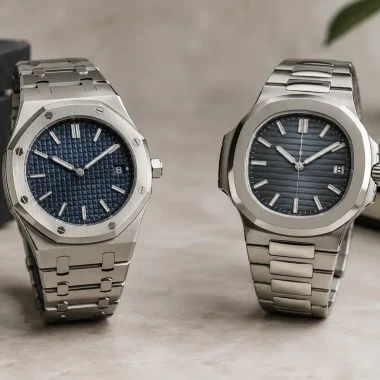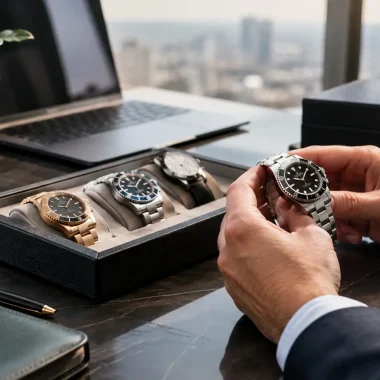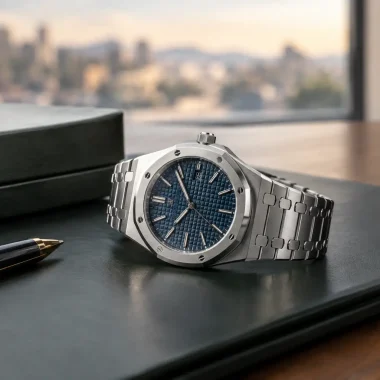
A six-figure watch can be rare, beautiful, and technically extraordinary yet still take months to sell. That is the distinction to understand when learning how to evaluate watch liquidity. Liquidity is not simply whether a watch holds value. It is how confidently and quickly it can be converted into cash at a realistic market price.
For collectors and buyers of Rolex, Patek Philippe, Audemars Piguet, Richard Mille, and elite independent makers, liquidity matters at every level. It shapes how you negotiate, which configuration you choose, how much capital you commit, and what options you have when it is time to move into the next piece.
What Watch Liquidity Really Measures
A liquid watch has a broad enough buyer pool, established demand, credible pricing data, and a manageable gap between what sellers ask and what serious buyers will pay. A highly liquid reference can often be sold through the right dealer or marketplace without a long waiting period, assuming the condition and price are aligned.
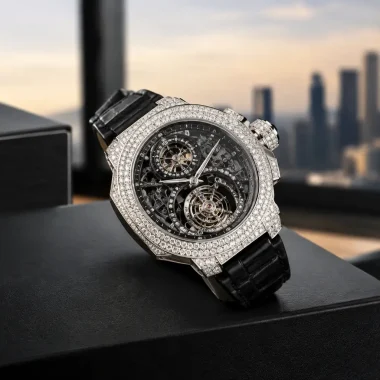
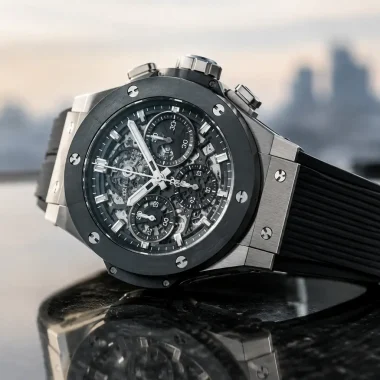
An illiquid watch is not automatically a bad purchase. A diamond-set Jacob & Co. tourbillon, a complicated Hublot limited edition, or a piece-unique independent creation may be exactly the right acquisition for a collector who wants visual impact and rarity. The trade-off is that the next buyer may be more specific, and finding that buyer may require more time, more targeted presentation, or a sharper price.
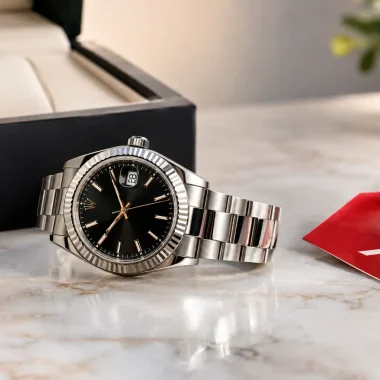
Liquidity also changes by price point. A stainless-steel Rolex GMT-Master II and a $500,000 Richard Mille are both recognizable luxury assets, but they do not trade in the same market. The Rolex has a larger global audience and more frequent transactions. The Richard Mille may have strong demand among qualified collectors, athletes, and entrepreneurs, but its buyer universe is narrower and the cash commitment is much higher.
Start With Brand Strength and Reference Demand
Brand recognition creates the first layer of liquidity, but reference-level demand is what drives the real result. Rolex, Audemars Piguet, Patek Philippe, and Richard Mille benefit from deep collector awareness. That does not mean every model from those brands is equally easy to sell.
Within Rolex, certain steel sports references, special dials, and discontinued configurations command consistent attention. Within Audemars Piguet, the Royal Oak remains a major liquidity driver, while case size, metal, dial color, and complication can materially change demand. Patek Philippe sports models may attract immediate interest, while less familiar dress references can appeal to a more focused collector base.
Look beyond the logo and ask a more useful question: Is this exact reference actively sought after? An iconic model with a proven following is usually easier to price and exit than a niche variation with limited comparable sales. Limited production can support liquidity, but rarity alone is never enough. There must be enough buyers who know why the piece matters.
Use Transaction Evidence, Not Aspirational Listings
The market value of a watch is not the highest online asking price. It is the level at which comparable watches actually change hands. This is especially relevant for rare and high-ticket models, where a small number of ambitious listings can make a market look stronger than it is.
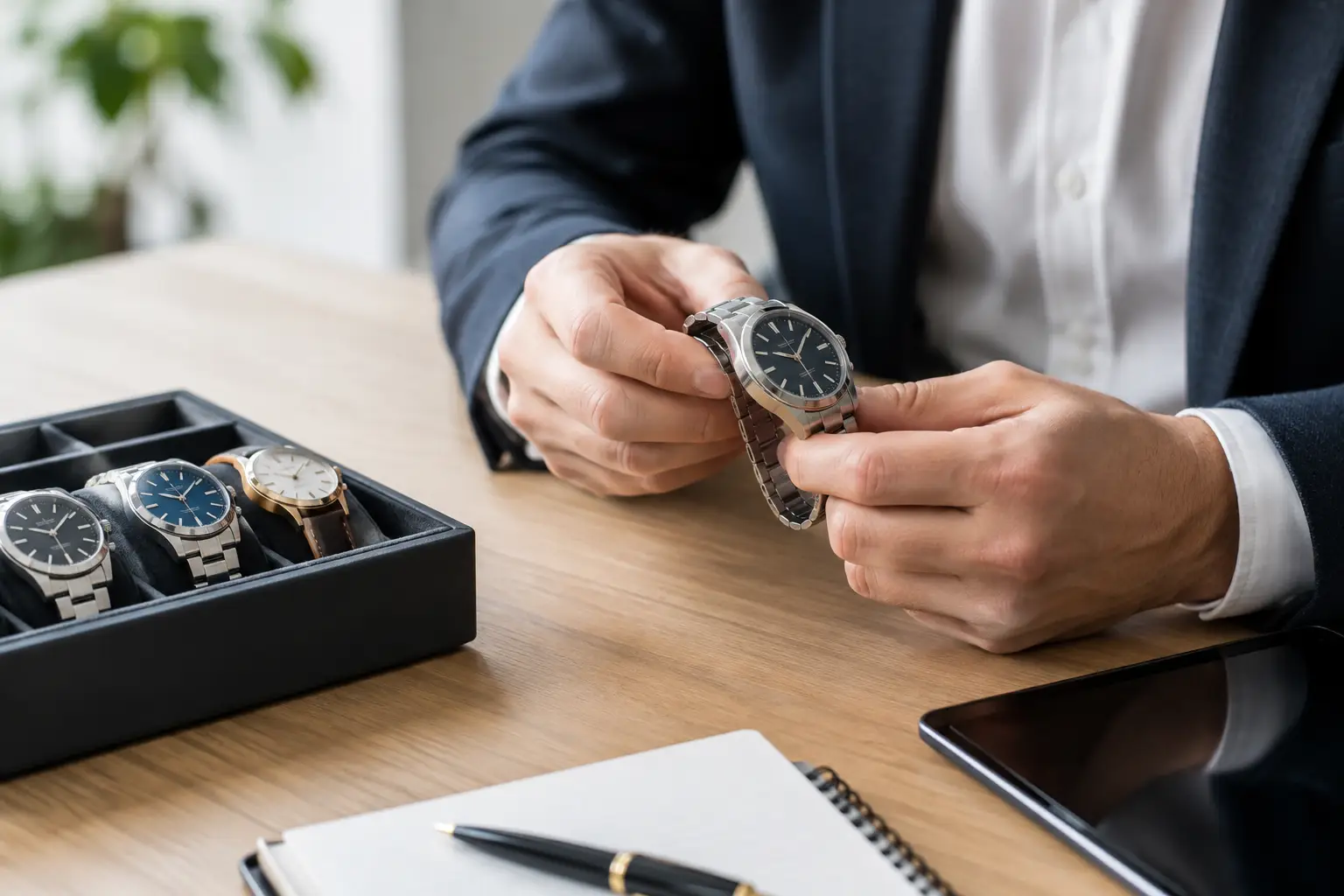
Study recent sales where possible, and compare watches on a like-for-like basis. Match the exact reference, metal, dial, production era, condition, set completeness, and important accessories. A full-set Royal Oak in excellent condition should not be valued against a watch with a replacement bracelet, heavy polishing, or missing documentation.
Then examine the gap between asking prices and realistic dealer buy offers. That spread is one of the clearest signals of liquidity. A narrow spread suggests strong confidence in the market. A wide spread may mean the watch is difficult to place, the asking prices are inflated, or buyers are becoming selective.
For exceptional watches, private transactions can complicate the picture. A rare Patek Philippe or Richard Mille may sell for a premium to the right collector, but that result is not always repeatable on demand. Treat an isolated headline sale as a data point, not a guaranteed exit price.
How to Evaluate Watch Liquidity by Buyer Depth
Buyer depth is the number of credible buyers who might want your watch at a given price. It is different from visibility. A watch can receive thousands of views and still have a very shallow market if only a handful of people are prepared to spend $300,000 on that exact configuration.
Consider four signals together:
- Search familiarity: Recognizable models and nicknames are easier for collectors to find and understand.
- Configuration appeal: Steel sports watches, signature dial colors, desirable case sizes, and factory-set details often attract more buyers than unusual specifications.
- Price accessibility: The higher the price, the more each incremental dollar can reduce the qualified buyer pool.
- Collector crossover: Watches with appeal across multiple audiences – enthusiasts, investors, celebrities, and first-time luxury buyers – often have stronger resale flexibility.
A 40 mm Audemars Piguet Royal Oak in a desirable configuration can have meaningful buyer depth because it sits at the intersection of design recognition, established demand, and broad collector appeal. A gem-set piece may be rarer and more dramatic, but the next buyer must share that exact aesthetic preference.
Condition, Completeness, and Provenance Protect Your Exit
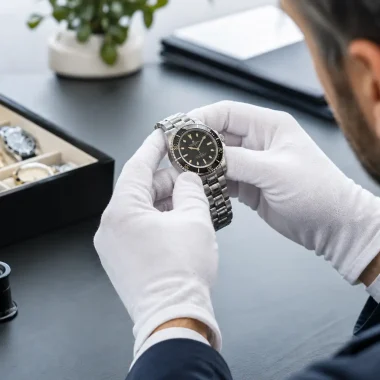
Condition is not a cosmetic footnote. It is an asset characteristic. Sharp case lines, an unpolished or sympathetically preserved finish, an original bracelet, clean dial and handset, and properly functioning complications can materially improve both demand and sale speed.
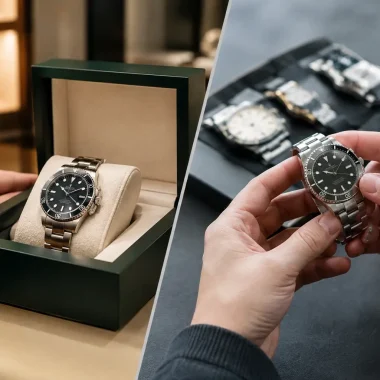
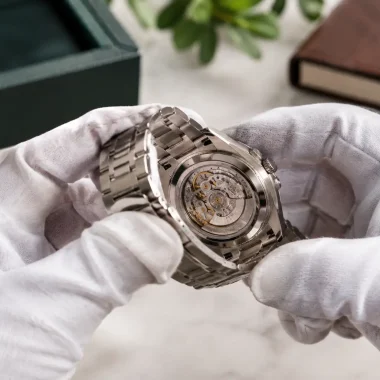
Complete sets tend to travel better. The original box, warranty card or papers, booklets, hang tags, service records, and original accessories give the next buyer confidence. On modern collectible watches, a complete set can be the difference between an easy conversation and a difficult one. On vintage pieces, originality and provenance can matter even more than a pristine appearance.
Be cautious with aftermarket modifications. Custom diamonds, refinished dials, replacement bezels, and altered components may fit a personal vision, but they often narrow the buyer pool. Factory gem setting and documented special-order configurations are a different category, provided authenticity and paperwork are clear.
Price Your Purchase for a Future Sale
The easiest way to preserve liquidity is to buy correctly. Paying a premium may be justified for a rare, new-condition, full-set watch with a highly desirable configuration. It becomes less justified when the premium is based on hype rather than repeatable market demand.
Before committing, estimate three numbers: the current retail or reference market level, the likely private-sale range, and the realistic immediate dealer buy range. The difference between those figures is your liquidity cost. If you need cash quickly, you may not receive the price achieved through a patient private sale.
This does not mean every purchase should be optimized like a trade. A watch is also an object you wear, enjoy, and collect. It means you should know whether you are buying an iconic asset with a clear market or a highly personal piece whose value depends on finding the right collector later.
Timing Can Change the Market
Watch liquidity is not fixed. Demand moves with production changes, auction results, celebrity visibility, currency conditions, seasonal buying patterns, and shifts in collector taste. A discontinued reference may gain attention quickly, while an overexposed model can cool when supply expands.
Do not confuse a fast-moving market with permanent liquidity. When excitement is high, dealers may compete aggressively for inventory. When sentiment turns, even prestigious watches can take longer to sell and command more conservative offers. The strongest long-term candidates are usually supported by enduring design, meaningful scarcity, and a collector community that extends beyond a single trend.
Choose the Right Exit Route
Your selling route affects both speed and net proceeds. A direct private sale may produce the highest headline price, but it requires buyer screening, authentication, payment security, shipping coordination, and patience. Consignment can expand exposure and support a stronger ask, although it may take time and typically involves a commission. A specialized dealer purchase is usually the fastest route to cash, with the convenience reflected in the offer.
For high-value watches, credibility is part of liquidity. Buyers pay more confidently when condition, authenticity, pricing, and presentation are handled at a professional level. A platform such as Wrist Prestige can be especially useful when a seller wants access to a qualified luxury-watch audience without relying on fragmented private conversations.
The best collectible watch is not always the one that sells fastest. It is the one whose demand, condition, and acquisition price match your own horizon. Buy the watch you want to wear, but know exactly what kind of exit its market can support.