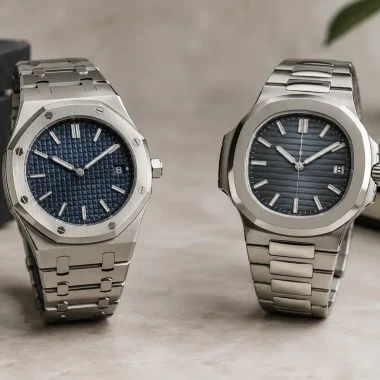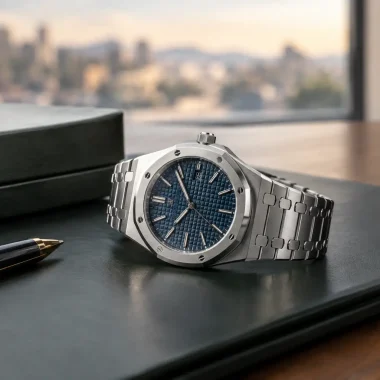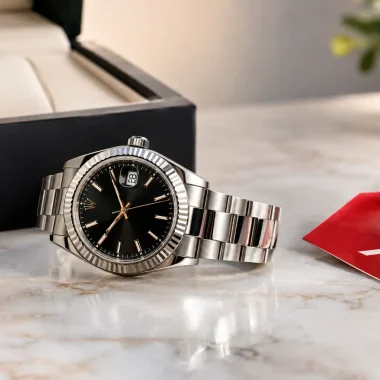
A Royal Oak, Daytona, Nautilus, or Richard Mille is rarely an impulse purchase. The decision often starts with a more practical question: boutique versus grey market. One route offers the official brand experience and a direct purchase history. The other can offer immediate access to the exact reference, configuration, and condition you want – often when an authorized boutique cannot.
For serious collectors, neither option is automatically better. The right choice depends on the watch, your timeline, your relationship with the brand, and how much you value original retail allocation versus instant availability.
Boutique Versus Grey Market: The Core Difference
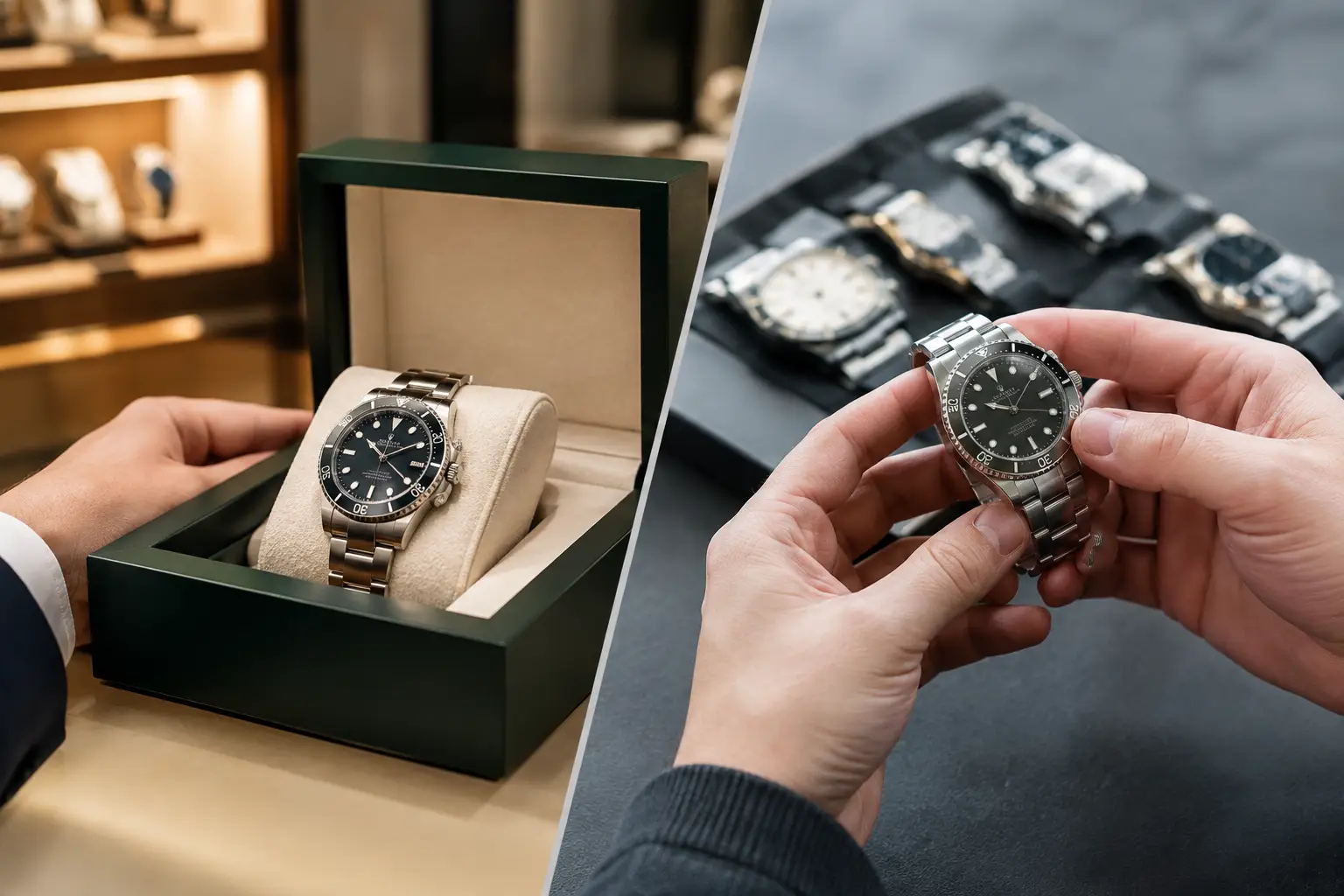
A boutique sells watches through an authorized relationship with the manufacturer. If you purchase a new Rolex from an official retailer, an Audemars Piguet from a brand boutique, or a Patek Philippe through an authorized dealer, the sale begins within that brand’s official distribution network. You receive a watch with its factory warranty, original paperwork, and a documented point of sale from an authorized source.
The grey market refers to authentic watches sold outside that official retail channel. Despite the name, grey market does not mean counterfeit, stolen, or inherently questionable. It describes a resale or independent sales channel. A grey-market dealer may offer an unworn watch sourced from a collector, a dealer, an international market, or a private owner, as well as pre-owned examples with established provenance.
That distinction matters because a watch can be completely authentic and highly desirable while not being offered through an authorized boutique. For many collectible references, the grey market is where real availability begins.
Why Boutique Buying Still Has Its Appeal
Buying from a boutique is about more than receiving a new watch. It can be an entry into a long-term relationship with a house whose most limited pieces are allocated, not simply displayed and sold. For a buyer pursuing future access to rare complications, special dials, boutique editions, or high-demand sports models, purchase history may carry value.
The experience is also straightforward. You know the watch is new, its warranty is activated through the brand, and its box, papers, accessories, and presentation are complete. There is no need to evaluate polishing, prior ownership, service history, or whether a bracelet has been sized and worn.
For watches that are available at retail, boutique pricing can be compelling. A current-production gold Hublot, a complicated Jacob & Co., or a less allocation-driven Patek Philippe reference may be purchased at the official price without a secondary-market premium. If the exact watch is in stock, the official channel is difficult to beat for peace of mind.
The limitation is simple: access. The watches that attract the strongest collector demand are often unavailable to first-time buyers. A boutique may have no Rolex Daytona, steel Royal Oak, Aquanaut, or sought-after Richard Mille ready for purchase. An expression of interest is not the same as a confirmed delivery date.
The Grey Market Advantage: Immediate Access
The grey market serves buyers who have already chosen the watch and do not want to wait for a call that may never come. It is built around selection, speed, and specificity. Instead of requesting a model, you can compare live examples by reference, year, dial, metal, set completeness, condition, and price.
That is particularly valuable with discontinued and limited-production watches. A Patek Philippe 5711, vintage Rolex Daytona, Audemars Piguet Royal Oak Offshore limited edition, or gem-set Richard Mille may no longer be available through any boutique at any price. The resale market is not an alternative in these cases. It is the only active market.
It also gives collectors access to configurations that do not appear often. A factory diamond bezel, full pavé dial, rare regional edition, matching full set, or unworn example with factory stickers can materially change both desirability and price. The best independent sellers make those details visible rather than treating every reference as interchangeable.
At Wrist Prestige, the focus is on that ready-to-buy advantage: collectible watches with clear condition descriptions, exact specifications, and pricing that lets serious buyers act when the right piece appears.
Pricing Is More Than Retail Versus Discount
A common assumption is that the grey market always means a discount. That is only true for some watches. Market pricing follows supply, demand, condition, configuration, and collectibility – not the manufacturer’s suggested retail price alone.
For a readily available model, a grey-market watch may sell below boutique retail. This can happen when an independent dealer acquired inventory at a favorable price, when a brand produces enough supply to exceed demand, or when a pre-owned example has light wear. Buyers may also find meaningful value in watches that are one or two years old but remain close to new condition.
For a scarce watch, the reverse is common. A current-production Rolex GMT-Master II, Royal Oak “Jumbo,” or Patek Philippe Aquanaut can command a premium because the market price reflects immediate possession. The premium is the cost of bypassing uncertainty, waitlists, and purchase-history requirements.
Do not compare only the headline number. Compare the full proposition: the exact reference, condition, year, box and papers, remaining manufacturer warranty, seller warranty, tax treatment, shipping, and return terms. A lower price is not automatically a stronger buy if the watch has incomplete accessories, unclear history, excessive polishing, or missing documentation.
Warranty, Papers, and Provenance
Manufacturer warranty is one of the clearest practical differences in boutique versus grey market purchasing. A boutique sale normally starts the original factory warranty at the time of purchase. With an independent seller, warranty status depends on the specific watch. An unworn recent piece may retain much of its original coverage, while a discontinued or older watch may be outside the manufacturer warranty period.
A reputable dealer may provide its own warranty, but that is not the same as factory coverage. Ask who administers it, what it covers, how long it lasts, and what happens if the movement requires service. For a high-complication perpetual calendar, tourbillon, or highly technical Richard Mille, this question deserves a direct answer before funds move.
Papers matter as well, especially at the high end. The original warranty card, certificate, invoice, and presentation set strengthen the watch’s resale profile and make its history easier to verify. A watch without papers is not automatically a poor purchase, particularly in vintage collecting, but the price should reflect that difference.
Provenance is broader than paperwork. It includes the consistency of the serial number, case and movement details, service records, ownership history when available, and the seller’s inspection process. With precious-metal, diamond-set, and limited-edition pieces, confirm that components are factory original unless clearly disclosed otherwise. Aftermarket diamonds, refinished dials, replacement bezels, and altered parts can change value dramatically.
Condition Can Change the Value More Than the Reference
Two watches with the same reference number can be separated by tens of thousands of dollars. A collector-grade example with sharp case lines, a tight bracelet, original finish, full set, and minimal wear is not equivalent to a heavily polished watch with stretch, replacement parts, and no accessories.
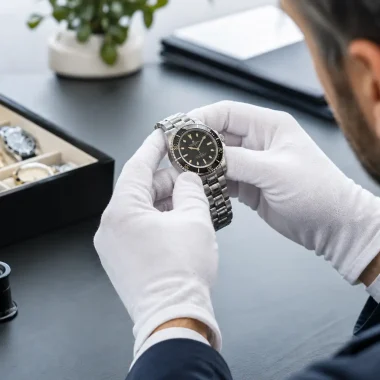
Review photographs closely. Look at the lugs, bezel edges, bracelet screws, clasp, crystal, dial, and hands. On a modern watch, ask whether it has been polished, sized, worn, or serviced. On a vintage piece, originality often matters more than cosmetic perfection. A lightly aged original dial may be far more desirable than an overly restored one.
For watches above six figures, request clarity rather than relying on broad labels such as “excellent.” The case material, dial variant, serial range, production year, service history, and included items should all be part of the buying conversation. Precision protects both your enjoyment and your future exit options.
Which Channel Fits Your Purchase?
Choose a boutique when you want a current-production watch at retail, value a direct relationship with the brand, and are comfortable with the allocation process. It is an especially strong route when the reference is actually available and you want a clean, first-owner purchase record.
Choose the grey market when the watch is scarce, discontinued, region-specific, already sold out, or unavailable within your preferred timeline. It is also the practical choice when you want to compare multiple examples of the same reference and select based on condition, set completeness, and market value.
For many established collectors, the answer is both. Boutique purchases can build a meaningful brand relationship, while the resale market provides access to the watches that define a collection now. A disciplined buyer uses each channel for what it does best.
Before you commit, decide what cannot be compromised: the exact reference, delivery timing, full-set status, condition, factory warranty, or price. Once that priority is clear, the right source becomes far easier to identify – and the watch on your wrist will feel like a deliberate acquisition, not a costly compromise.