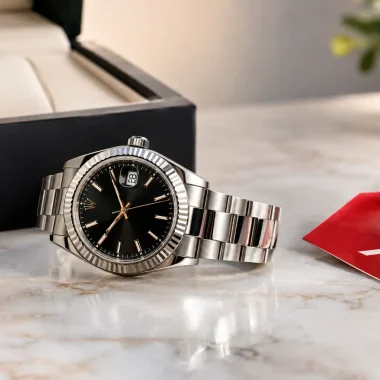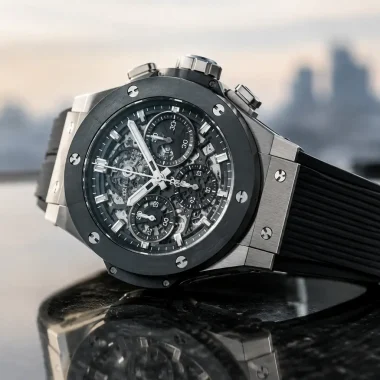
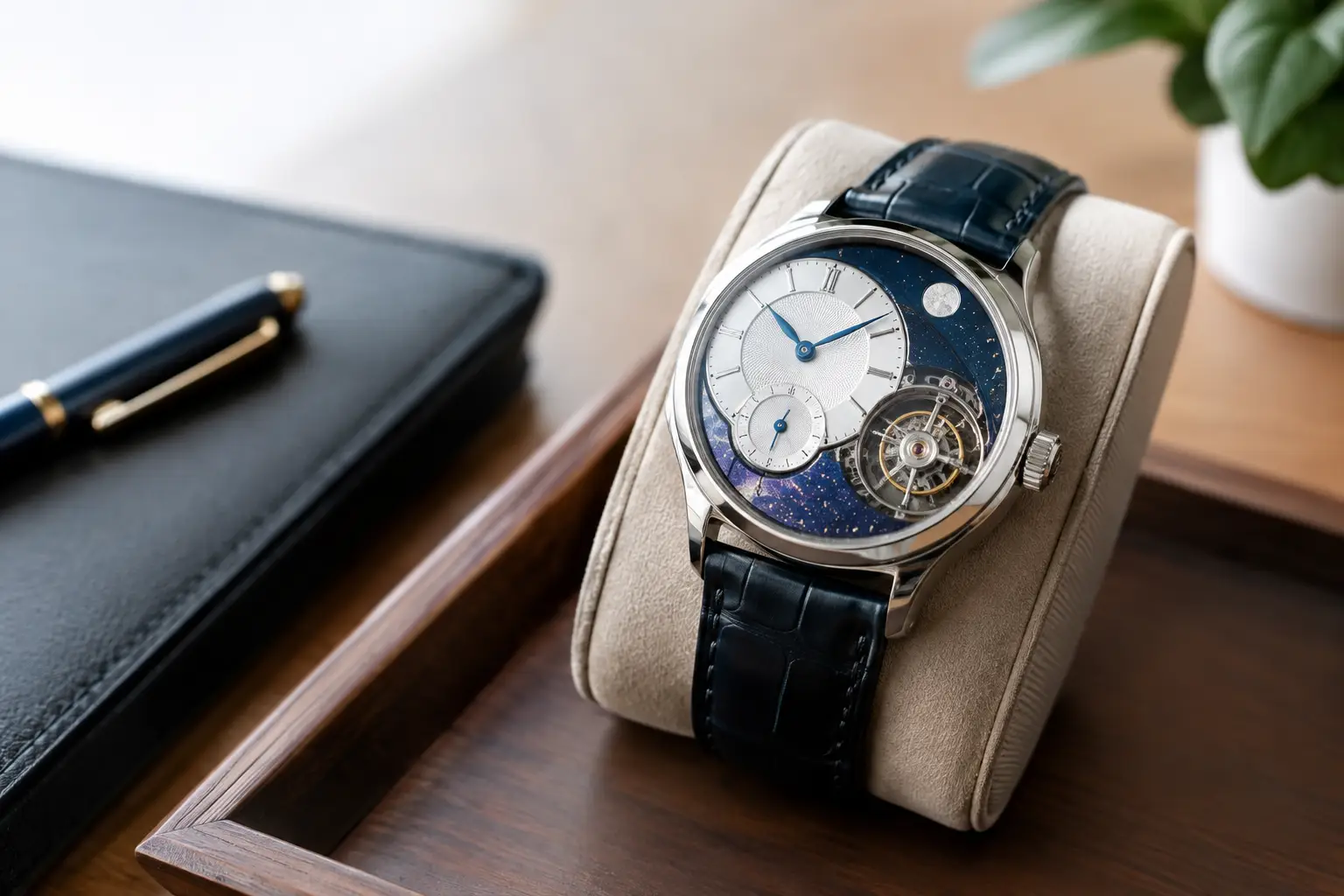
A watch can be rare without being truly singular. A production run of 50 is rare. A limited edition of 10 is rarer. But when collectors ask, what are piece unique watches, they are referring to a timepiece made as a genuine one-of-one – a watch with no identical counterpart produced by the brand.
In luxury watchmaking, the phrase comes from the French pièce unique, meaning “unique piece.” It is one of the strongest scarcity designations in the market, particularly when it appears on a high-complication watch from Patek Philippe, Audemars Piguet, Richard Mille, Jacob & Co., or an elite independent maker. For the right buyer, it is not simply about owning an expensive watch. It is about owning the only example of that exact expression.
What Are Piece Unique Watches, Exactly?
A piece unique watch is an individually created timepiece that is formally recognized as a one-off. Its uniqueness may come from a custom dial, an unrepeated gem-setting pattern, a special case material, a commissioned complication, an engraved movement, or an entirely new design created for a specific client or event.
The most meaningful examples are documented by the manufacturer as unique. That documentation matters. A watch can look unusual because it has been customized after leaving the factory, but that does not automatically make it a factory-issued piece unique. Serious collectors distinguish between an original one-off from the maison and a later modification, even when the latter is visually spectacular.
A true pièce unique is typically designed and completed by the brand itself, often with a specific client, collector, retailer, charitable auction, anniversary, or private event in mind. Some are marked “Pièce Unique” on the dial, caseback, certificate, or extract from the archives. Others are identifiable through factory records and a configuration that was never repeated.
Why One-of-One Matters to Collectors
At the highest level of collecting, scarcity is only one part of the equation. A piece unique gains its pull from the combination of scarcity, design, brand authority, and story. A one-off Royal Oak, Grand Complication, RM tourbillon, or gem-set Jacob & Co. can become a category of its own because there is no comparable reference number with dozens of examples circulating in the market.
That distinction is especially appealing to buyers who already own iconic watches. A collector may have a Rolex Daytona, a Patek Philippe Nautilus, and an Audemars Piguet Royal Oak. A piece unique adds something fundamentally different: not another highly desirable reference, but an individual object that cannot be replicated through patience, spend history, or a boutique waitlist.
The strongest examples also have visual authority. A one-of-one may feature a hand-painted miniature dial, an exceptional natural stone, an unusual hard-stone marquetry composition, an off-catalog precious-metal case, or diamonds and colored gemstones arranged in a pattern produced only once. In a room full of serious watches, that difference is immediately visible.
Piece Unique vs. Limited Edition vs. Custom Watch
These terms are often used loosely, but they are not interchangeable.
A limited edition is produced in a defined quantity, whether that quantity is 500, 50, or five. Every watch in the series may have a numbered caseback, but other examples exist. Limited editions can be highly collectible, particularly when they are tied to a historic model, a famous athlete, a major anniversary, or a discontinued reference.
A piece unique is a production quantity of one. No second watch should exist in the same complete configuration. That does not mean the movement or case architecture is exclusive to that watch. A brand may use an established movement or familiar case shape while creating a single dial, gem-set case, or material combination.
A custom watch falls somewhere in between. A private client may select from approved factory options, such as an engraving, a dial color, a strap, or gem setting. If the manufacturer confirms that the finished configuration will not be repeated, it may qualify as a piece unique. If it is simply a variation available to multiple clients, it is custom but not necessarily unique.
Aftermarket customization is a separate category. An altered Rolex or Audemars Piguet may be one-of-one in appearance, but it does not carry the same collector standing as a factory-created pièce unique. The market often values originality, manufacturer provenance, and reversibility. Those factors deserve close attention before paying a premium.
How Brands Create One-Off Watches
The route to a piece unique differs by manufacturer. Some heritage maisons reserve one-off work for their most established private clients. Others use unique pieces to demonstrate artisanal craft at charity auctions or global collector events. Independent makers may be more flexible, allowing clients to participate directly in the creative process.
The most compelling executions often combine several disciplines. A watch may unite a minute repeater or tourbillon with hand engraving, rare stones, enamel, skeletonization, or a custom titanium, carbon, sapphire, or precious-metal case. The labor involved can be substantial, especially when a dial, setting, or movement finish must be conceived from the beginning rather than selected from existing components.
A watch does not need every possible complication to be important. In fact, a restrained one-off can carry more long-term appeal than a visually overloaded piece if the design is coherent and the provenance is exceptional. A unique platinum watch with a rare dial and direct factory confirmation may be more compelling than a louder watch with a long list of decorative additions.
What Determines the Value of a Piece Unique?
There is no automatic price formula for one-of-one watches. “Unique” is powerful, but it is not a substitute for desirability. The market still asks who made the watch, what it represents, who owned it, and whether collectors genuinely want that specific design.
Brand hierarchy remains central. A one-off complication from a highly regarded maker with a deep collector base will usually command more confidence than a one-off from a brand with limited secondary-market demand. Model family matters as well. A unique interpretation of an Iconic Royal Oak, Nautilus, Daytona, or Richard Mille platform may have a clearer audience than a one-off based on an obscure reference.
Condition and completeness are equally important. Original box, papers, factory correspondence, invoice, service records, photographs from the commission, and written confirmation of uniqueness can materially strengthen buyer confidence. On a watch priced in the six- or seven-figure range, provenance is not an accessory. It is part of the asset.
The design itself can either expand or narrow the buyer pool. Exceptional factory diamonds, rare color combinations, and artistic dials can create intense demand. Highly personal engraving, unusual initials, or client-specific motifs may limit resale appeal unless the prior owner or story adds real cultural value. It depends on whether the watch feels universally collectible or exclusively personal.
Due Diligence Before You Buy
A piece unique should be approached with more scrutiny than a standard production watch. The claim must be verified, not assumed from a seller description or an unusual appearance.
Start with the manufacturer-issued evidence. Ideally, there should be a certificate, extract, letter, invoice, or documented correspondence stating that the watch was created as a unique piece. Confirm the reference number, case number, movement number, materials, dial details, and gem specifications against the physical watch.
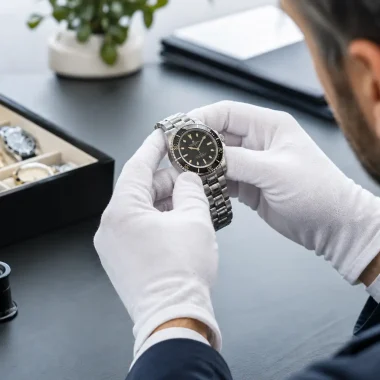
Then examine originality. Ask whether every defining component – dial, bezel, case, hands, movement, and setting – left the factory in its present form. A later replacement dial or service case can change the proposition significantly. For gem-set watches, independent confirmation of stone quality, treatment, and setting integrity may also be appropriate.
Finally, consider liquidity before you purchase. A piece unique can be exceptionally valuable, but it may take longer to sell because the next buyer must want that exact watch. That trade-off is often acceptable for collectors buying from conviction. It is less suitable for a buyer whose primary goal is fast resale on a predictable timeline.
The Best Reason to Own One
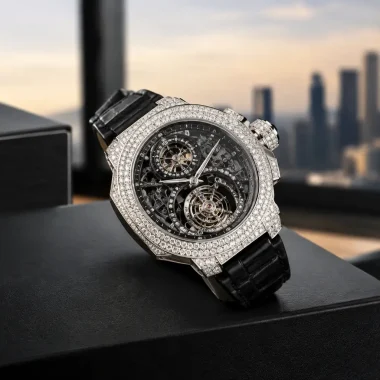
The right piece unique watch does more than signal scarcity. It captures a level of access, craft, and personal taste that standard production cannot offer. Whether it is a diamond-set tourbillon, a rare hand-finished complication, or a discreet one-off in precious metal, its value comes from the fact that the design stops with you.
For collectors who have moved beyond the usual allocation chase, that is the appeal worth pursuing: a watch chosen not because everyone recognizes it, but because no one else can own the same one.