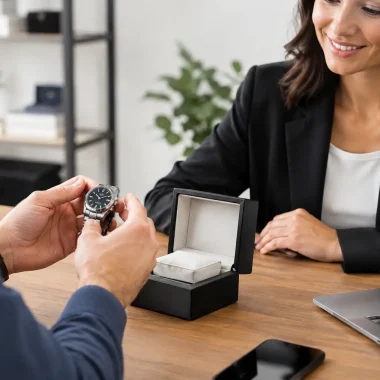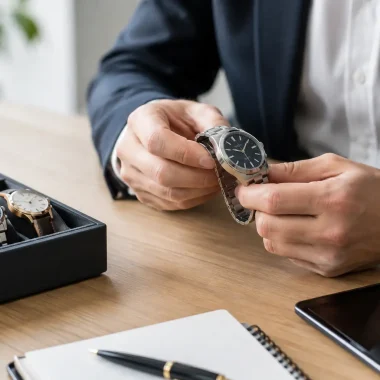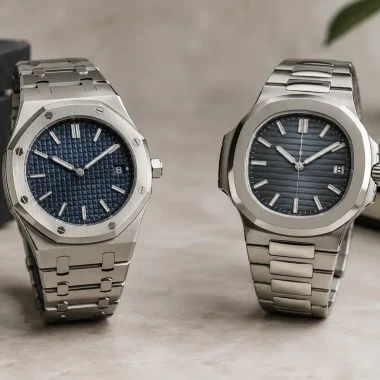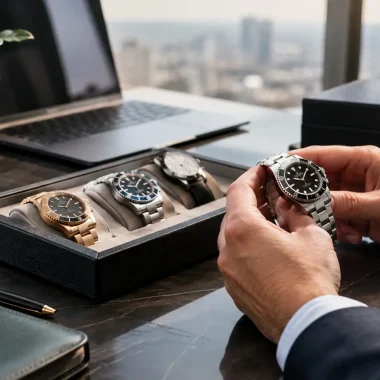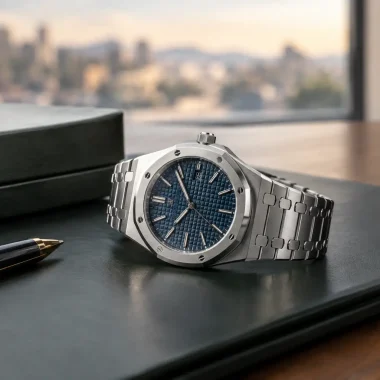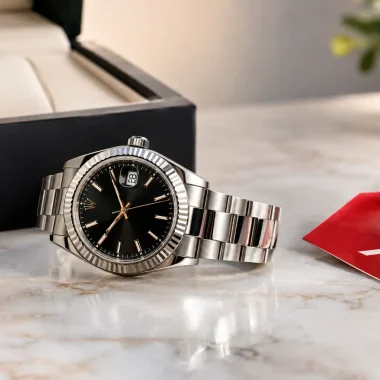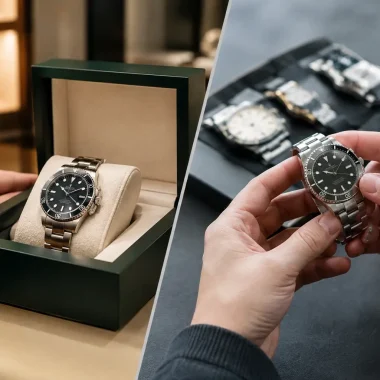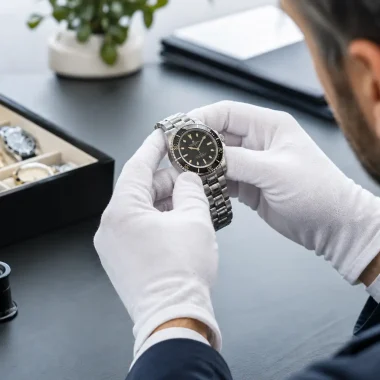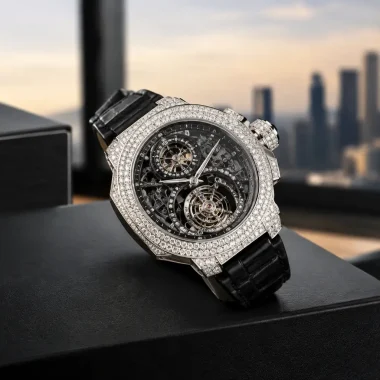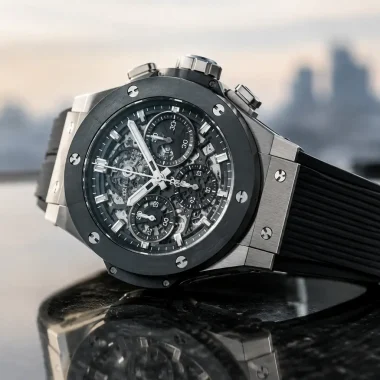
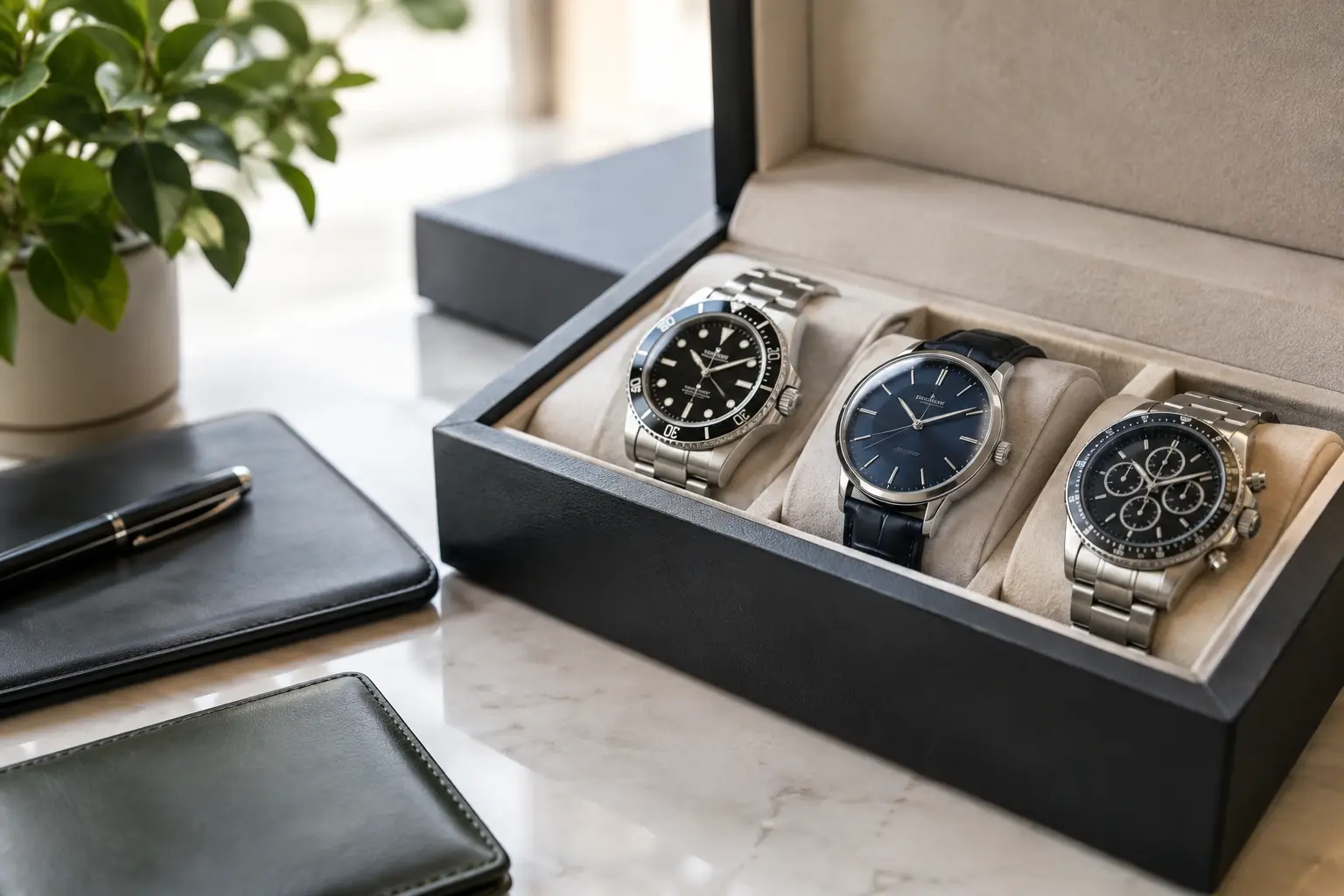
A discontinued Rolex Daytona, an Audemars Piguet Royal Oak in an uncommon dial configuration, or a gem-set Patek Philippe may never appear in a boutique case when you want it. Buyers who choose to buy certified pre owned watches are often buying access: access to references no longer produced, limited editions already allocated, and headline pieces without a traditional waitlist.
At this level, pre-owned does not mean compromised. It means the watch has a history, a market position, and a set of details that deserve close attention before capital changes hands. The right purchase delivers immediate wrist presence and long-term collectibility. The wrong one can introduce questions around originality, condition, service needs, and resale value.
What Certified Pre-Owned Should Mean
The phrase “certified pre-owned” is used widely in luxury watches, but it is not always a universal manufacturer designation. Some brands run formal certified pre-owned programs through authorized channels. Independent luxury retailers may use the term to describe a watch that has passed an in-house authentication and condition review.
That distinction matters. Before you buy, ask exactly what certification includes. A serious process should address authenticity, reference and serial consistency, movement function, case and bracelet condition, and the presence of original components. It should also be clear whether the watch has been pressure tested, timed, polished, or serviced.
Documentation is equally valuable. A complete set – typically including the original box, warranty card or papers, booklets, and relevant accessories – can strengthen confidence and future liquidity. Yet a watch without papers is not automatically a poor acquisition. For a rare vintage reference, original condition, correct parts, and credible provenance may matter more than packaging. The key is pricing the absence of documents appropriately.
Why the Pre-Owned Market Is the First Stop for Serious Collectors
The primary market is built around allocations, purchase history, and limited availability. The pre-owned market is built around what can actually be acquired now. That is especially relevant for high-demand Rolex sport models, Royal Oak variations, Richard Mille references, Patek Philippe complications, and limited Jacob & Co. creations.
It also offers a broader collecting field. A buyer can compare a current-production Hublot with a discontinued Big Bang limited edition, or choose between a modern Patek Philippe annual calendar and an earlier precious-metal reference with a more restrained dial. Those choices rarely sit side by side at a single boutique.
Price can be another advantage, although it is never a guarantee. Some watches trade below original retail after the first owner absorbs initial depreciation. Others command substantial premiums because supply is fixed and demand is global. A platinum Daytona, a highly limited Royal Oak Offshore, or a rare Richard Mille will not be valued by the same logic as a standard production watch. Buy the reference, condition, and desirability – not a simplistic promise of appreciation.
How to Evaluate a Certified Pre-Owned Watch
A luxury watch is not one item of value. It is a combination of metal, mechanics, originality, provenance, and market demand. Review each part with the same care you would bring to the watch’s price.
Condition Is More Than a Label
“Pre-owned,” “excellent,” and “like new” are useful starting points, not complete descriptions. Look closely at the case edges, bezel, bracelet stretch, clasp, crystal, dial, hands, and screws. On a sharply finished Audemars Piguet, aggressive polishing can soften the geometry that makes the design exceptional. On a vintage Rolex, an untouched case and original luminous material may carry a premium that a newly refinished example does not.
A polished watch is not automatically a bad watch. Many owners prefer a fresh, refined presentation, particularly on modern gold, ceramic, or diamond-set pieces. The trade-off is between immediate visual perfection and preservation of original factory lines. The listing should make the condition treatment clear.
Confirm the Details That Define the Reference
The reference number should match the case material, dial, bracelet, complication, and production era described. This is particularly important where dial variations, factory gem setting, limited-edition engravings, and special case metals can create major price differences.
For complicated watches, ask whether all functions operate correctly. A perpetual calendar, chronograph, minute repeater, or tourbillon requires more than a quick visual inspection. A clear service record can be a meaningful advantage, but recent service is not always essential if the watch is accurately represented and the price reflects anticipated maintenance.
Know What Comes With the Watch
Original papers and box increase appeal for many modern collectible watches, especially when the purchase is intended to remain part of a curated collection. They may also make resale easier. Still, completeness should not outweigh the quality of the watch itself.
If a watch is offered as watch-only, the seller should be transparent about that fact and price it accordingly. If it is presented with papers, examine whether they correspond to the correct reference and, where available, the correct serial range. Transparency is a luxury feature. It lets the buyer make a decision without filling in the gaps.
Price the Watch Against the Market, Not the Story
Scarcity is powerful, but it should be specific. “Limited” has real weight when production numbers, configuration, demand, and condition support it. A limited edition with little collector following may trade differently from a standard-production icon with global demand.
Compare like with like: the same reference, comparable condition, similar year, identical material, and equivalent set completeness. A rose-gold model should not be benchmarked against steel. A factory diamond bezel should not be compared with aftermarket customization. A full-set, unpolished example deserves a different valuation than a watch-only piece with visible wear.
At the upper end of the market, a lower price is not automatically better value. It may reflect a missing bracelet link, replacement parts, incomplete documentation, an overdue service, or a condition issue that will matter on resale. Conversely, a premium can be rational when it secures an exceptional example of a difficult-to-source reference.
Choose a Seller Built for High-Value Transactions
The purchase experience should match the value of the watch. Look for detailed product descriptions, high-resolution images of the actual piece, clear condition disclosure, stated availability, and direct pricing. Vague stock images and broad claims are not enough for a six-figure acquisition.
A specialist marketplace also provides an advantage when your collection is evolving. Buying and selling are connected in this category. A retailer with a dedicated sell-your-watch channel understands that today’s acquisition can become tomorrow’s source of liquidity, whether you are moving from a steel sports watch into a complicated Patek Philippe or consolidating several pieces into one statement watch.
For buyers seeking immediate access to rare, collectible inventory, Wrist Prestige reflects that collector-first approach: iconic brands, high-impact references, and clear product-level information designed for decisive luxury purchases.
The Right Watch Is the One You Can Defend
The most satisfying pre-owned purchase is not always the lowest-priced example or the most aggressively advertised limited release. It is the watch whose condition, configuration, documentation, and price make sense together.
Take the extra time to study the details that cannot be changed later: the original dial, the sharpness of the case, the correctness of the set, and the strength of the reference in the collector market. Then choose the piece you will want to wear, display, and keep – or sell with confidence when the next exceptional watch enters view.